

Sustainability · 2025
In this section50 topics
- Sustainability Policy2 items
- Sustainability Goals & UN SDGs3 items
- Policy Review2 items
- Business Value Chain1 item
- Stakeholder Analysis1 item
- Environmental Policy & Guidelines3 items
- Environmental Policy Review1 item
- Energy — Plan & Guidelines2 items
- Energy — Electricity Consumption2 items
- Energy — Fuel Consumption1 item
- Energy — Targets2 items
- Energy — Performance & Outcomes2 items
- Water — Plan & Guidelines2 items
- Water — Withdrawal, Discharge & Consumption1 item
- Water — Targets2 items
- Water — Performance & Outcomes2 items
- Waste — Plan & Guidelines2 items
- Waste — Generation, Disposal & Recycling1 item
- Waste — Targets2 items
- Waste — Performance & Outcomes2 items
- GHG — Plan & Guidelines2 items
- GHG — Emissions1 item
- GHG — Emissions Verification3 items
- GHG — Principles & Standards1 item
- GHG — Targets1 item
- GHG Targets — Other Targets1 item
- GHG — Performance & Outcomes2 items
- Environmental Legal Incidents1 item
- Social Policy & Guidelines3 items
- Social Policy Review1 item
- Social — Principles & Standards Practised1 item
- Human Rights Due Diligence4 items
- Employees — Plan & Guidelines3 items
- Employees — Workforce1 item
- Employees — Remuneration & Provident Fund1 item
- Employees — Training & Development2 items
- Employees — Occupational Health & Safety1 item
- Employees — Labour Relations1 item
- Employees — Employee Representation2 items
- Employees — Targets2 items
- Employees — Performance & Outcomes2 items
- Customers — Plan & Guidelines3 items
- Customers — Satisfaction Results1 item
- Customers — Targets2 items
- Customers — Performance & Outcomes2 items
- Community & Social — Plan & Guidelines3 items
- Community & Social — Targets2 items
- Community & Social — Performance & Outcomes2 items
- Other Social Management1 item
- Law Violation Incidents2 items
Sustainability Policy
Has a Sustainability Policy
Yes
Policy Description
The Company prioritizes sustainable organizational development (ESG) business operations, focusing on management for the overall benefit of stakeholders, the economy, society, and the environment, ensuring ethical conduct, morality, and professional integrity. This is achieved through responsible business operations and a strong sense of awareness towards stakeholders, the economy, society, and the environment, which will enable the Company's business operations to achieve stable and sustainable growth. Furthermore, as the Company believes that sustainable growth must be founded on strong relationships with the community, society, and the environment, it currently supports the development of innovations that initiate new approaches, both at the internal organizational process level and at the inter-organizational collaboration level, including processes within the business supply chain. Moreover, the Company places the highest importance on sustainable business operations to align with the United Nations' Sustainable Development Goals (SDGs) and the 13th National Economic and Social Development Plan. This is to foster a positive corporate image, thereby building credibility among stakeholders. Therefore, the Company has established sustainability management policies covering economic, social, and environmental aspects, alongside good corporate governance principles. The Company has communicated these policies to all employees, including relevant executives, to serve as a guideline for every employee in the organization to participate in business operations in line with sustainability goals.
Sustainability Goals & UN SDGs
Has Sustainability Goals
Yes
Goals Description
Economic Policies and Guidelines
The Company prioritizes efficient production process management to ensure high-quality and safe products and services that meet international standards and customer requirements. To achieve this, the Company incorporates various innovations to develop production processes, control operations by reducing errors, and minimize personnel working hours. Furthermore, in its business operations, the Company adheres to the principles of good corporate governance, with policies for compliance with laws, regulations, objectives, and resolutions of the Company's shareholders' meetings. Operations are conducted with fairness, transparency, risk management, internal control, and anti-corruption measures, as well as adherence to The Principles of Good Corporate Governance of Listed Companies, as guided by the Stock Exchange of Thailand ("SET"). This approach aims to lead the Company to success, enhance its reputation, achieve sustainable growth, improve operational efficiency, ensure transparency for investors, create long-term value for the business, and generate value or benefits for stakeholders, thereby fostering confidence in business operations among stakeholders. The operational guidelines are as follows:
1) The Company is committed to conducting business with transparency, providing fair returns to stakeholders, operating under good corporate governance principles, complying with various laws and regulations, and combating all forms of corruption.
2) The Company is committed to managing its production processes to ensure that products and services meet international standards.
3) The Company is committed to efficiently managing the quality inspection process for products and services to ensure their quality and safety for customers.
4) The Company will develop products and services to meet customer needs, ensuring maximum satisfaction.
5) The Company will promote innovation development in production processes and work procedures to achieve maximum efficiency, reduce costs, streamline workflows, while still delivering quality products and services.
1.) Good Corporate Governance
The Board of Directors adheres to the Company's principles of good corporate governance and complies with laws, regulations, objectives, and resolutions of the Company's shareholders' meetings, as well as The Principles of Good Corporate Governance of Listed Companies, as guided by the Stock Exchange of Thailand. This serves as a guideline for the Company's operations to achieve success, sustainable growth, operational efficiency, and transparency for investors, thereby fostering confidence in business operations among stakeholders.
Objectives
1. Conducting business fairly with all stakeholder groups, without significant disputes with customers, competitors, business partners, or government agencies, and without violating laws/regulations set by government agencies.
2. No significant disputes regarding product and service quality.
3. Ability to integrate innovation into business operations to reduce work errors, improve work processes, etc.
Operations and Key Performance Results
The Company operates under the principles of good corporate governance, transparency, risk management, internal control, and anti-corruption. The Board of Directors has established policies regarding corporate governance and social responsibility, including anti-corruption, and ensures their effective implementation. The Board of Directors' meeting resolved to approve the Company's good corporate governance policy, covering 5 principles, on June 28, 2016.
In 2018, the Board of Directors acknowledged the transition from the 2012 Principles of Good Corporate Governance (CG) of the Stock Exchange of Thailand to the 2017 Corporate Governance Code (CG Code) of the Securities and Exchange Commission (SEC) for sustainable value creation. The Board of Directors' meetings No. 4/2017 on August 9, 2017, and No. 2/2018 on February 21, 2018, studied and considered the suitability of adopting the 2017 Corporate Governance Code (CG Code) for sustainable business operations. The Board also reviewed the suitability of applying the CG Code to ensure the organization's sustainable business operations and acknowledged the Cap analysis data of the 2012 Principles of Good Corporate Governance, which is the Company's current policy, against the current year's Good Corporate Governance Principles. The Board of Directors plans to review the suitability of applying the CG Code at least once a year. Currently, the Company's good corporate governance policy is defined to cover 5 principles, namely:
1. The Rights of Shareholders (The Rights of Shareholders)
2. The Equitable Treatment of Shareholders (The Equitable Treatment of Shareholders)
3. The Role of Stakeholders (The Role of Stakeholders)
4. Disclosure and Transparency (Disclosure and Transparency)
5. Responsibilities of the Board of Directors (Responsibilities of the Board of Direct
Furthermore, the Company mandates the review, revision, and provision of opinions on its corporate governance, social responsibility, and anti-corruption policies, as well as the review and provision of opinions on the Company's annual corporate governance, social responsibility, and anti-corruption assessment reports by the Audit Committee, which has also appointed sub-committees to assist in the corporate governance of.
The Company as follows:
1.1) The Audit Committee consists of at least 3 audit committee members to support the Board of Directors in overseeing and auditing management, internal control, and compliance with relevant laws, as well as preparing financial reports, to ensure transparent and reliable operations and disclosure of information by the Company.
1.2) The Nomination and Remuneration Committee consists of at least 3 members to nominate qualified individuals for director and senior executive positions, and to consider the structure and criteria for remuneration of directors and senior executives, in order to submit recommendations to the Board of Directors for approval and/or to present to the shareholders' meeting for further approval (as the case may be).
1.3) The Executive Committee consists of at least 3 executive directors to support the Board of Directors in managing the Company's affairs in accordance with policies, plans, regulations, and any orders, as well as achieving objectives set within the framework assigned by the Board of Directors.
The Company's good corporate governance includes a written good corporate governance policy, which is announced for all directors, executives, and employees to adhere to, and is reviewed annually. Additionally, a business code of conduct, a conflict of interest policy, and related party transaction policies are established, along with appropriate internal control systems and risk management. Details are disclosed in Part 2: Corporate Governance and on the Company's website (https://www.tnrcondom.com/th/corporate-governance/corporate-governance-policy).
In 2025, the Group conducted its business under the framework of good corporate governance, adhering to various policies that have been established and publicly announced with transparency, while also focusing on the interests of all stakeholder groups. This includes the accurate and fair distribution of benefits to shareholders, conducting business in accordance with all relevant laws and regulations without violating labor laws set by government agencies that directly affect employees, emphasizing compliance with various laws and regulations of government agencies that impact the credibility of financial and non-financial reports, not infringing on the intellectual property of business partners, operating without breaching contracts or trade conditions agreed upon with business partners and creditors, prioritizing the confidentiality of customers and related agencies, not taking advantage of competitors by distorting business information that negatively affects them, and not violating the rights of society and the public. As a result, the Group has no conflicts or disputes with any stakeholder group, and a significant operational achievement of the Company is the accurate and complete payment of excise taxes to the government.
As the Company has no conflicts with any stakeholder group, its image remains positive, fostering trust among all stakeholders. This enables the business to grow and develop sustainably.
2.) Quality and Responsibility for Products and Services
The Company conducts its business by prioritizing product quality and taking responsibility for products and services manufactured to standard. This is to ensure customer satisfaction with products and services, enabling the promotion of quality products and services to the market.
UN Sustainable Development Goals
| SDG Goal |
|---|
| Goal 1 No Poverty |
| Goal 2 Zero Hunger |
| Goal 3 Good Health and Well-being |
| Goal 4 Quality Education |
| Goal 5 Gender Equality |
| Goal 6 Clean Water and Sanitation |
| Goal 7 Affordable and Clean Energy |
| Goal 8 Decent Work and Economic Growth |
| Goal 9 Industry, Innovation and Infrastructure |
| Goal 10 Reduce Inequalities |
| Goal 11 Sustainable Cities and Communities |
| Goal 12 Responsible Consumption and Production |
| Goal 13 Climate Action |
| Goal 14 Life below Water |
| Goal 15 Life on Land |
| Goal 16 Peace, Justice and Strong Institutions |
| Goal 17 Partnerships for the Goals |
Policy Review
Policy Reviewed This Year
Yes
Policy Changed This Year
No
Business Value Chain
Value Chain Description
Stakeholder management is a process of engaging with stakeholders to identify material sustainability issues, comprising the following 4 steps:
1. Stakeholder identification and sustainability prioritization, based on 3 criteria:
Stakeholders involved in the Company's business operations.
Creating sustainable impact for stakeholder groups.
Stakeholders with sustainable impact on the Company.
2. Stakeholder engagement: Proceed according to the following steps:
Assign responsible departments for stakeholder groups.
Define systematic methods for surveying stakeholder needs and expectations, and the frequency of operations.
Collect stakeholder needs data.
3. Analysis and prioritization of key issues: Consider the importance of stakeholder needs and expectations, based on internal and external organizational data that impacts stakeholders and the Company.
4. Implementation of results: Present the analysis and prioritization results to the Company's senior management to acknowledge stakeholder needs and expectations, and to use this information for sustainability initiatives that address stakeholder requirements.
Note: Stakeholder engagement channels include opinion surveys, and both online and offline complaints. Examples of online channels include the company website https:/www.tnrcondom.com for receiving complaints regarding corruption, etc., through the following channels:
1. By mail, send to
Chairman of the Audit Committee
Thai Nippon Rubber Industry Public Company Limited
1 Charoenrat Road, Thung Wat Don Subdistrict, Sathon District, Bangkok 10120
2. Via QR Code
Audit Committee

3.2.1 Business Value Chain
The Company's business operations involve the manufacturing industry of condoms and lubricants. External stakeholders involved in the business chain, through the Company's business processes, include product manufacturing, OEM services (Original Equipment Manufacturer), and bidding for the production of condoms and lubricants (Tender) for both domestic and international customers. The Company's customers include both B2B (Business-to-Business) clients, which involves selling products between the Company and business owners, and B2C (Business-to-Customer) clients, which involves selling products directly to consumers. In product manufacturing, the Company prioritizes product quality. The Company's production process includes quality control from raw material intake, in-process quality control, and finished product quality control, all to ensure customer satisfaction with the Company's products.
Furthermore, key stakeholders involved in the product manufacturing process include business partners, creditors, competitors, society and the public, and government agencies. This begins with selecting business partners who supply raw materials for the Company's production, adhering to commercial terms, and strictly fulfilling contracts with partners, including making payments to creditors for goods and other services used in the Company's business operations. In its business operations, the Company must act fairly with competitors, without exploiting business rivals by distorting business information that could harm their reputation, in order to sell products and services to customers. The Company operates on the foundation of producing quality, environmentally friendly products, and is committed to caring for society and the public. The Company prioritizes the safety of society, the environment, and the quality of life for people in communities and society involved in its operations, by complying with laws stipulated by government agencies, to ensure the sustainable growth of its business. This instills confidence in shareholders to invest in the Company. In the Company's business operations, human resources, meaning the Company's employees, are crucial for driving progress. They are vital in pushing operations to align with the organization's vision, mission, and goals. Therefore, the Company treats all employees equally and fairly, providing appropriate compensation based on each individual's knowledge and abilities. Additionally, the Company emphasizes developing employees' skills, knowledge, abilities, and potential, and strives to incentivize highly skilled employees to retain them within the Company for continued organizational development.
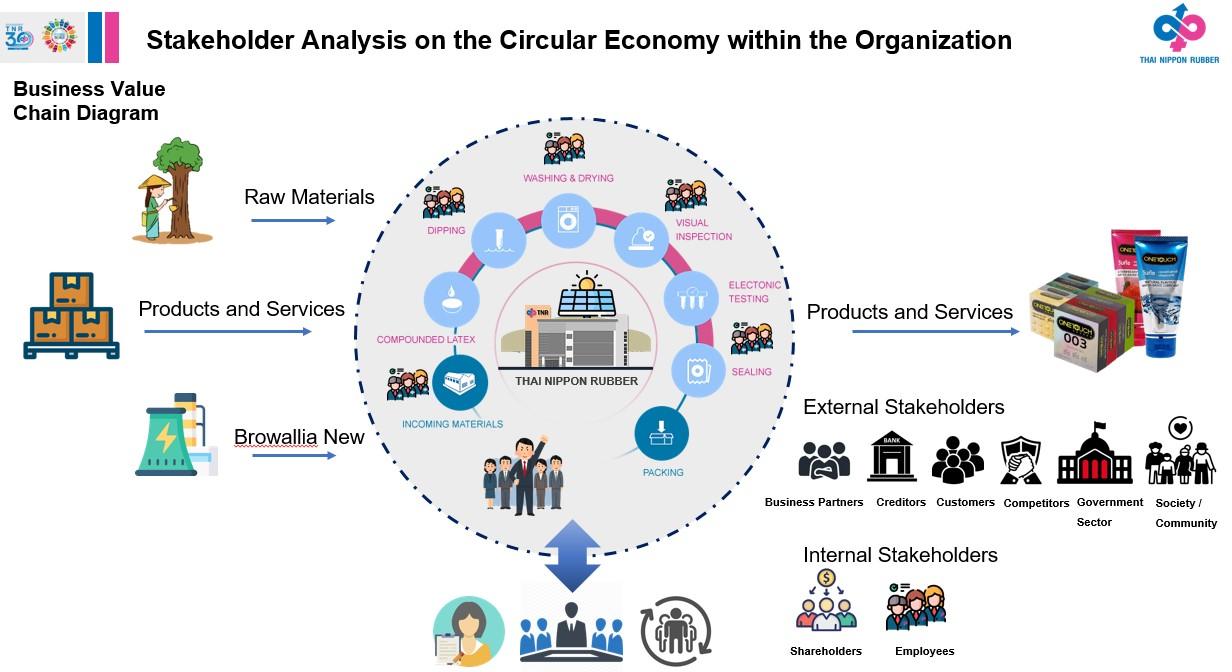
Stakeholder Analysis
Stakeholder Analysis
| Stakeholder Type | Stakeholders | Stakeholder Expectations | Response to Expectations | Communication Activities |
|---|---|---|---|---|
| Internal stakeholders | 2921 · Description: Employees | The Company offers competitive compensation and welfare benefits, opportunities for career advancement, continuous promotion and development of knowledge and skills, fair and equitable treatment of employees, and ensures a safe working environment. | The Company will treat all employees equally and fairly, providing appropriate compensation based on each individual's knowledge and abilities, as well as maintaining a working environment that prioritizes quality of life and occupational safety. The Company strictly adheres to labor laws. Furthermore, the Company emphasizes the continuous development of employees' skills, knowledge, and potential, such as organizing training, seminars, and workshops, providing equal opportunities to all employees, and strives to incentivize highly skilled and capable employees to remain with the Company for its continued development. Additionally, the Company has established guidelines for anti-corruption and instills in all employees the importance of complying with relevant laws and regulations, such as strictly prohibiting the use of inside information. The Company respects the privacy of its employees. It will not disclose personal information, such as salaries, medical history, and family history, to external parties or unauthorized individuals, unless such disclosure to relevant external parties is required by law or has received the consent of the employee concerned. | 2941 · Description: Online Communication |
| External stakeholders | 2913 · Description: Shareholders | The Company maintains good corporate governance, treats shareholders equally, discloses accurate, complete, and timely information, and manages risks appropriately and efficiently, while fostering the Company's sustainable growth, resulting in good long-term returns. | The Company will conduct business with transparency and efficiency, striving to achieve good operational performance and stable growth to maximize long-term benefits for shareholders, as well as disclosing information transparently and reliably to shareholders. | 2941 · Description: Online Communication · 2944 · Description: Annual General Meeting (AGM) |
| External stakeholders | 2899 · Description: Suppliers | It is expected that the Company will conduct business with its trading partners on an equitable basis and comply with the terms and conditions stipulated in the agreements or mutually agreed conditions, in order to achieve mutual benefits in their business relationships.
The Company also promotes knowledge sharing and the development of its trading partners’ capabilities so that both parties can grow together. In addition, trading partners are encouraged to participate in providing opinions and suggestions for improving business operations collaboratively. | The Company has established a process for selecting trading partners by ensuring fair competition based on equal access to information and selecting partners fairly in accordance with the Company’s evaluation and selection criteria. In addition, the Company has prepared appropriate and fair contractual agreements for all contracting parties and implemented a monitoring system to ensure full compliance with contractual terms, as well as to prevent fraud and misconduct throughout all stages of the procurement process.
The Company purchases products from its trading partners in accordance with agreed commercial terms and strictly complies with contractual obligations toward its partners, including making payments in accordance with the agreed conditions. The Company also communicates its procurement policies and practices in line with the Business Partner Code of Conduct, which covers internationally recognized ESG requirements. Furthermore, the Company listens to the opinions and expectations of its trading partners in order to continuously improve its operations. | 2947 · Description: Satisfaction Survey |
| External stakeholders | 2923 · Description: Customers | The Company produces high-quality products that are safe for use, and provides convenient, rapid, and easily accessible customer contact channels to ensure access to accurate and sufficient information. Furthermore, it is crucial to treat all customer groups equally. | The Company is responsible to its customers by maintaining the quality and standards of its products, including fully and comprehensively responding to customer needs to the greatest extent possible, with the aim of fostering long-term customer satisfaction. Furthermore, the Company considers the hygiene and sanitation of customers when consuming its products and provides accurate and complete product information to customers, without making misleading advertisements that could cause customers to misunderstand. Additionally, the Company allows its customers to report product issues so that the Company can promptly prevent and resolve problems related to its products, as well as maintaining customer confidentiality and not using customer information for its own undue benefit or that of related parties. | 2945 · Description: Complaint Reception · 2947 · Description: Satisfaction Survey |
| External stakeholders | 2894 · Description: Creditor | The company makes payments according to contracts or agreed-upon conditions, including to financial creditors. | The Company shall comply with the following conditions:
Strictly adhere to the contractual terms with creditors, including the repayment of principal and interest, as well as the maintenance of collateral in accordance with the relevant agreements.
Comply with the terms and conditions related to loan repayments and guarantee obligations as stipulated in the agreements. | 2941 · Description: Online Communication |
| External stakeholders | 2898 · Description: Competitors | Competitive Equality | The Company conducts itself within the framework of fair competition, maintains ethical standards, and operates within legal boundaries. It also supports and promotes policies for free and fair competition, without violating or illicitly obtaining competitors' trade secrets through fraudulent means. | 2941 · Description: Online Communication |
| External stakeholders | 2928 · Description: Society | Participation in community and public development, ensuring safety from the company's business operations, and environmental stewardship. | The Company cares for and prioritizes the safety of society, the environment, and the quality of life of individuals involved in its operations, and promotes environmental and social responsibility awareness among its employees. Furthermore, it ensures strict compliance with all relevant laws and regulations. Additionally, the Company endeavors to participate in various activities that contribute to the creation and preservation of the environment and society. | 2940 · Description: Social Event |
| External stakeholders | 2931 · Description: Government agencies and Regulators | Compliance with regulations stipulated by government agencies, supporting environmentally beneficial activities, and participating in problem-solving with government agencies. | The Company conducts its business under the supervision of government agencies, encompassing operational processes with robust internal controls, risk management, accurate and reliable disclosure of both financial and non-financial reports, and fraud control. Stakeholders are able to inquire for details, submit complaints, or report legal misconduct. | 2941 · Description: Online Communication · 2948 · Description: Training / Seminar |
Environmental Policy & Guidelines
Has an Environmental Policy
Yes
Policy Description
Environmental Policy and Guidelines
The Company recognizes the current global climate change, primarily caused by increased greenhouse gases resulting from human behavior, which impacts the quality of life in society and limited natural resources. Furthermore, the nation is currently facing significant energy problems that affect employees' livelihoods and the national economy. Therefore, the Company has implemented an energy management system within the company since 2005. The Company believes that energy conservation is crucial and a duty for all employees to cooperate in continuous energy management. Thus, the Company has established an energy policy to serve as a guideline for energy operations and to promote efficient and maximum utilization of energy. Based on the aforementioned issues, the Company has set environmental management policies, especially energy conservation policies, which are vital in reducing greenhouse gases that cause global climate change, including collecting greenhouse gas emission statistics to set future targets according to BCG principles, implementing circular economy principles, waste management, efficient pollution control, and water management. These serve as guidelines for managing environmental impacts and restoring a sustainable, healthy climate, with the following operational guidelines:
1) The Company is committed to complying with environmental laws and other laws related to environmental management. The Company will participate in activities/projects that contribute to management efforts to reduce environmental problems.
2) The Company will prioritize environmental management by integrating environmental performance results for analysis to identify future prevention and remediation approaches.
3) The Company will appropriately implement and develop an energy management system, making energy conservation an integral part of the Company's operations, in compliance with relevant laws and other requirements.
4) The Company will continuously improve the energy resource efficiency of the organization, appropriate to the technology used and good operational practices, with a target to reduce energy consumption by 1.5% of energy per unit of product compared to the previous year, and within 5 years, the organization will reduce energy consumption by 7.5%.
5) The Company will establish annual energy conservation plans and targets and communicate them to all employees for proper understanding and implementation.
6) The Company considers energy conservation to be the duty and responsibility of owners, executives, and employees at all levels, who must cooperate in implementing designated projects, monitoring, inspecting, and reporting to the Energy Management Committee.
7) The Company will support the procurement of efficient energy products and services, as well as human resources, budget, working hours, training, and participation in providing feedback to improve energy performance.
8) Executives and the Energy Management Committee will review and update energy policies, targets, and operational plans annually.
9) The Company will consider environmental impacts on various important issues, including air pollution, wastewater quality improvement, chemical usage, consideration of substitutes or less hazardous substances, electricity conservation, various types of waste management, and reusing or recycling items to conserve natural resources.
10) The Company will properly and efficiently dispose of industrial waste without affecting communities and the environment.
11) Solid waste and plastic waste are managed correctly and efficiently, without affecting stakeholders and the environment.
12) Promote an organizational culture that instills awareness among executives and employees regarding the valuable use of resources and fosters a sense of participation in environmental conservation.
Energy conservation
goals can reduce energy consumption by 1.5% per unit of production per year, with a long-term goal of reducing energy consumption by 7.5% within 5 years.
Water management: Can reduce water consumption. Can reuse more water than in the previous year.
Waste and refuse management.
The BCG (Bio-Circular-Green) principles can be applied.
The circular economy principles can be applied sustainably.
Greenhouse gas management and climate change are also addressed.
The company can comprehensively collect greenhouse gas emissions data from all direct, indirect, and other indirect operational activities. This data will serve as a database for setting greenhouse gas emission targets for all company activities in the following year.
Reducing energy consumption and utilizing renewable energy can lower greenhouse gas emissions and costs.
The organization's logistics system can reduce greenhouse gas emissions through distance reduction, resource utilization, lower costs, and reduced environmental impact.
Green spaces can be increased to promote employee awareness of conserving factory green spaces and ensuring their continued existence.
Biodiversity management is also promoted.
Environmental Guidelines
| Guideline |
|---|
| Electricity Management |
| Fuel Management |
| Renewable/Clean Energy Management |
| Water Management |
| Waste Management |
| Biodiversity Management |
| Greenhouse Gas and Climate Change Management |
Environmental Policy Review
Policy Reviewed This Year
No
Energy — Plan & Guidelines
Has an Energy Management Plan
Yes
Plan Description
Energy conservation is an indirect way of assisting the environment by reducing carbon dioxide emissions without damaging the atmosphere, which would lead to greenhouse gases, causing climate change and contributing to global warming. The company has established policies and projects for energy conservation, such as initiatives to reduce energy consumption and increase the use of renewable energy. The primary objective is to sustainably reduce electricity consumption. The company's efforts in energy conservation began with its emphasis on efficient energy use and managing energy costs, as evidenced by the management's commitment in the vision and message from the management, as follows:
Energy Vision: “We aim to be a leader in the production of condoms and lubricants that utilize energy with maximum efficiency, by focusing on the participation of all employees within the organization and by being a learning organization.”
Message from the Management: The implementation of a management system within the organization has enabled the organization to use energy more efficiently and reduce energy costs, based on the following two principles:
1. Utilizing energy from existing sources by improving processes, methods, machinery, and equipment to achieve maximum energy efficiency within the organization through employee participation.
2. Utilizing lower-cost energy by integrating renewable energy into the main machinery of the production process without affecting product quality.
Environmental Stewardship
The company prioritizes its social responsibility in environmental stewardship. The company operates and ensures that its product manufacturing strictly adheres to environmental protection laws. Furthermore, the company conducts its business under the concept of caring for and preserving the environment, focusing on overseeing and developing production processes and selecting materials that are natural and environmentally friendly. Additionally, the company emphasizes waste reduction from production processes by adhering to the principle of 'reduce' or 'use only what is necessary'. The objective is to ensure the most efficient circulation of shared resources for environmental preservation and to avoid environmental damage. The company also establishes environmental management systems, both as operational guidelines and as tools for business operations.
Energy — Electricity Consumption
Introduction
The organization utilizes electricity from two main sources:
1. Electricity from the Provincial Electricity Authority (PEA) accounts for approximately 94% of the organization's total electricity consumption and remains the primary energy source for daily operations.
2. Electricity from solar cell systems (Solar Roof Top) accounts for approximately 6% of the organization's total electricity consumption. It is a clean energy source that helps reduce electricity costs and lowers the organization's greenhouse gas emissions.
Having energy sources from both external providers and internal renewable energy enhances energy security, while also supporting the organization's long-term sustainability and energy conservation goals.
Electricity Consumption
| Metric | Current Year | Previous Year | Two Years Ago | Remark |
|---|---|---|---|---|
| Total electricity consumption within the organization (Kilowatt-Hours) | 23,025,280.7 | 23,181,431.13 | 21,263,160.9 | |
| Electricity purchased for consumption from non-renewable energy sources (Kilowatt-Hours) | 21,647,840 | 21,739,200 | 19,802,160 | |
| Electricity purchased or generated for consumption from renewable energy sources (Kilowatt-Hours) | 1,377,440.7 | 1,442,231.13 | 1,461,000.9 | -Total electricity consumption consists of electricity purchased from the Provincial Electricity Authority (PEA) and electricity generated for self -consumption from the solar cell system. -Electricity from the Provincial Electricity Authority (PEA). -Electricity from the solar cell system (Solar Rooftop) with a generation capacity of 999.68 kWp. |
Energy — Fuel Consumption
Fuel Consumption
| Metric | Current Year | Previous Year | Two Years Ago |
|---|---|---|---|
| Crude oil (Barrels) | |||
| Coal (Metric tonnes) | |||
| Jet fuel (Litres) | |||
| Diesel (Litres) | |||
| Gasoline (Litres) | |||
| Fuel oil (Litres) | |||
| Natural gas (Standard cubic feet) | |||
| LPG (Kilograms) | 632,375.25 | 766,375.38 | 676,486.83 |
| Steam (Metric tonnes) |
Energy — Targets
Has Set Targets
Yes
Targets
| Target | Base Year | Base Year Value | Target Year | Target Year Value | Target Change (%) | Unit | Unit — Please Specify |
|---|---|---|---|---|---|---|---|
| Reduction of electricity purchased and fuel consumption | 2,024 | 12.33 | 2,025 | 11.35 | 1.5 | Others | Megajoules per gross |
Energy — Performance & Outcomes
Has Performance Results
Yes
Performance Description
Replacement with high-efficiency energy-saving lamps (LED).
The factory uses T5 fluorescent lamps installed throughout the factory area for nighttime illumination. These lamps have been in use for a long time and have relatively low lighting efficiency, resulting in high electricity consumption compared to the amount of light provided. Following an inspection and evaluation of the lighting system's energy efficiency, a plan was conceived to upgrade the lighting system by switching to high-efficiency LED energy-saving lamps, which can be set to dim. This change results in electricity savings of 3,457 kWh per year, a reduction in greenhouse gas emissions of 1,728 kg CO2e, and energy cost savings of 13,553 Baht per year.

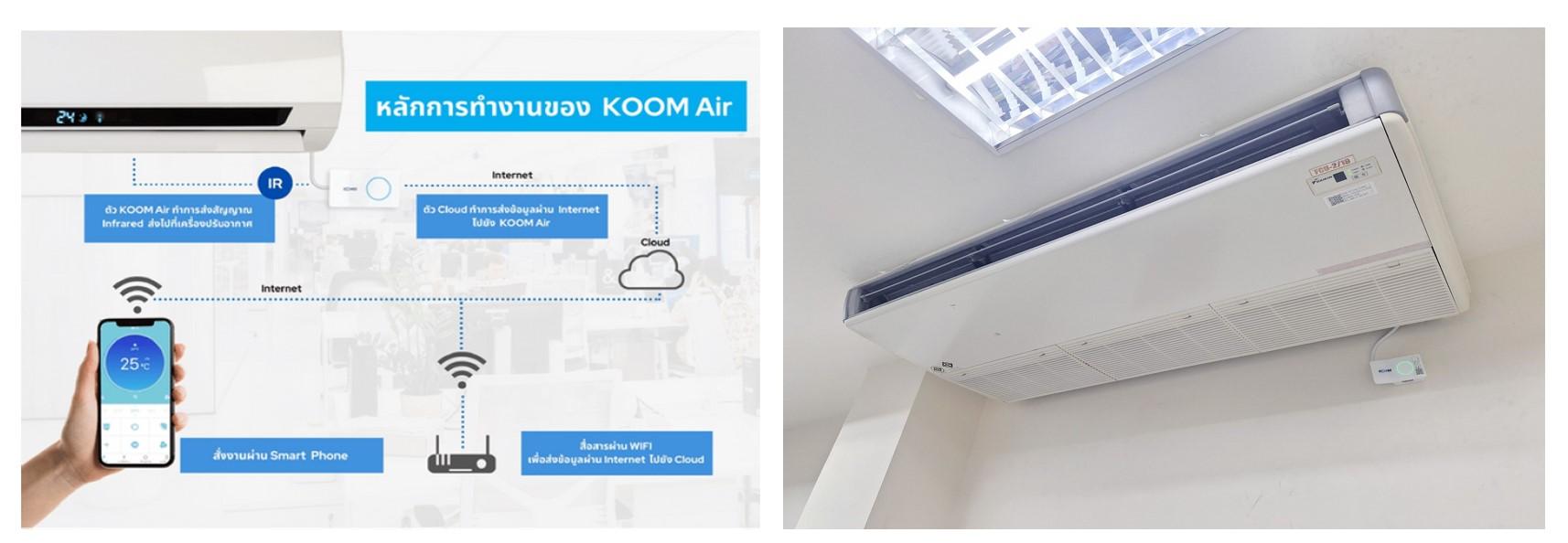
Project to install a smart air conditioning control system (Koom Air).
The office building utilizes split-type air conditioners. Previously, the control of on/off functions and temperature settings was at the discretion of individual users, leading to inconsistent usage patterns that did not align with actual working hours, and temperature settings were often found to be below standard values. To enhance the building's energy efficiency and establish a standardized, automated control system for air conditioning, a smart control system (Koom Air) was installed for the office air conditioners. This system is programmed to operate in accordance with actual working hours and sets usage temperatures according to energy conservation standards (24–26 C ) and automatically reduces temperature or shuts down during periods of non-use. This results in electricity savings of 14,616 kWh per year, a reduction in greenhouse gas emissions of 7,306 kg CO2e, and energy cost savings of 57,294 Baht per year.
Project to reduce the temperature of air drawn into the air compressor (Air intake).
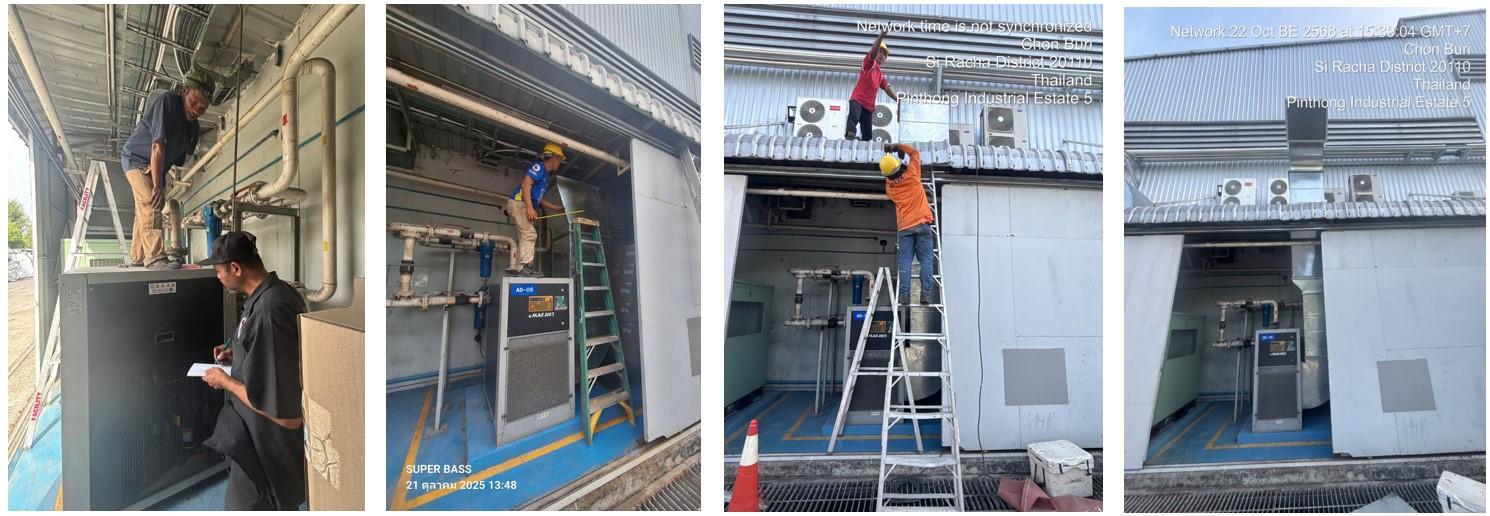
The factory has installed large air compressors to supply compressed air to its internal production processes. Environmental measurements within the air compressor installation area revealed significantly higher-than-standard room temperatures. The primary cause is accumulated heat discharged from the Air Dryer, which lacks a dedicated ventilation system, leading to heat retention within the room. This results in an increase in the air temperature before it enters the air compressor. According to energy efficiency principles, for every 3-degree increase in the air temperature drawn into the air compressor, C This will cause the air compressor to consume more electricity, unnecessarily increasing its workload. To address this issue, the factory installed ducting to directly vent hot air discharged from the Air Dryer to the outside of the building. This effectively reduces heat accumulation within the room, leading to a decrease in the air temperature before it enters the air compressor. This results in electricity savings of 5,109 kWh per year, a reduction in greenhouse gas emissions of 2,554 kg CO2e, and energy cost savings of 20,029 Baht per year.
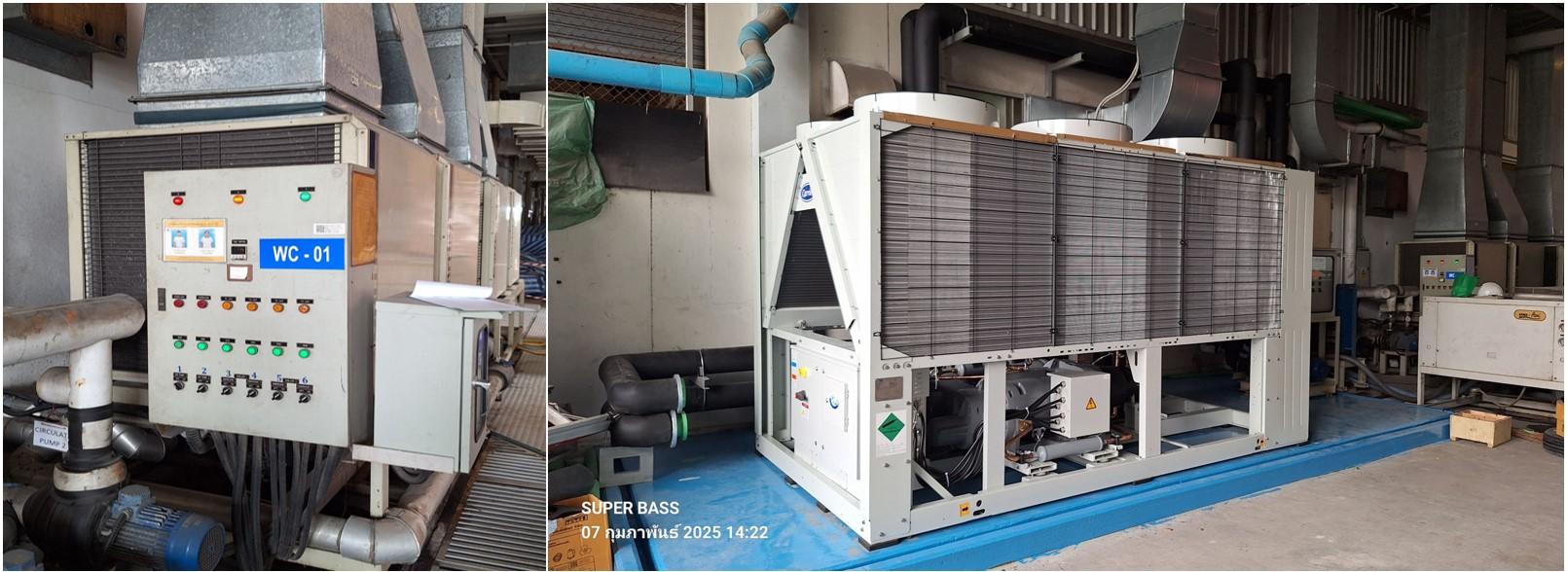
Project to improve the performance of the chilled water system by replacing it with a new, more efficient chiller.
The factory utilizes a chilled water production system to support the organization's main production processes, a critical process requiring precise temperature control to maintain product quality and process stability. Currently, the factory has installed an Air Cooled Chiller for cooling these processes. Actual performance measurements revealed that the chiller has been in operation for an extended period, leading to a continuous decline in operational efficiency. Its kW/Ton value is higher than the standard, indicating high electricity consumption for a reduced cooling output. This not only increases electricity costs but also affects the stability of process temperatures and poses long-term risks to product quality. Therefore, the original chiller was replaced with a new, high-performance chiller model with a low kW/Ton value, suitable for the actual load of the organization's main production processes. This results in electricity savings of 250,479 kWh per year, a reduction in greenhouse gas emissions of 125,214 kg CO2e, and energy cost savings of 981,878 Baht per year.
Project to replace old machinery with new machinery in the production process.
The project to replace old machinery with new machinery in the production process focuses on improving the energy efficiency of the latex mixing system in the production process. Previously, the factory had two latex mixing machines installed, both of which were operated simultaneously throughout the production period. Performance measurements and evaluations revealed that simultaneous operation resulted in high electricity consumption. Furthermore, due to the machines' long operational life, their efficiency had decreased, leading to unnecessary energy loss. To address this issue, the factory upgraded the system by replacing and installing one new latex mixing machine, which boasts high performance and modern technology. This single machine is capable of handling sufficient production volumes, allowing for the discontinuation of both old machines. This significantly reduces overall electricity consumption while enhancing the efficiency and stability of the production process in the long term. This results in electricity savings of 32,400 kWh per year, a reduction in greenhouse gas emissions of 16,196 kg CO2e, and energy cost savings of 127,008 Baht per year.
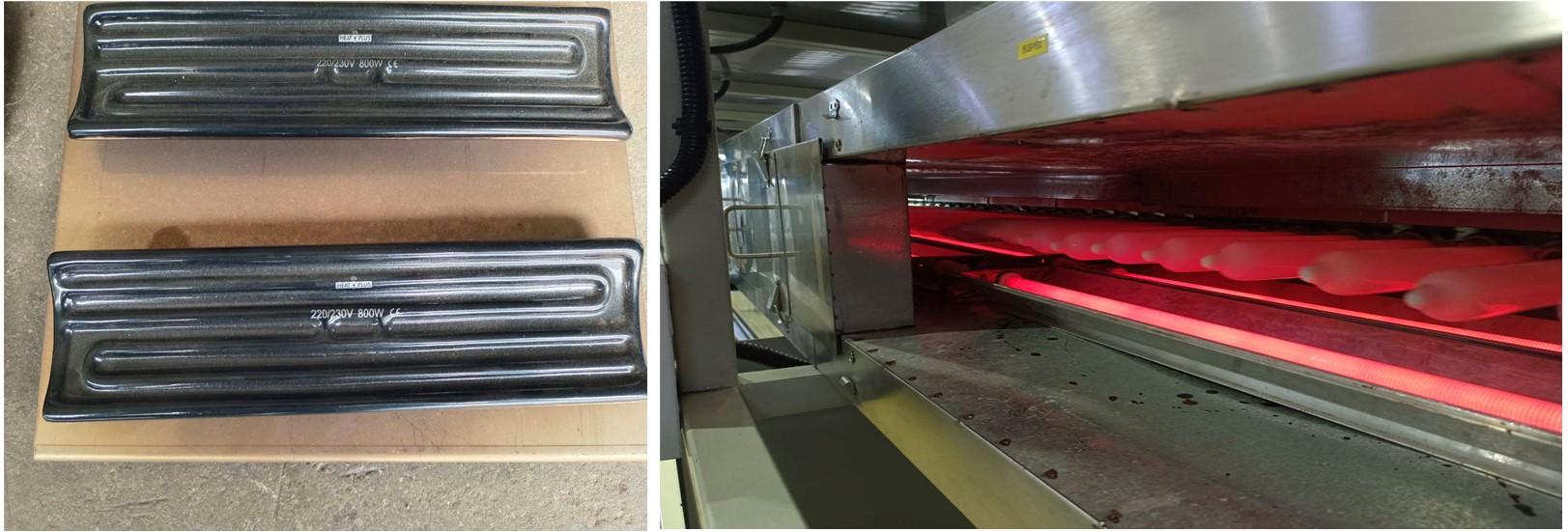
Project to reduce energy consumption in the Dipping Process by replacing Ceramic Heaters with Infrared (IR) Heaters.
The factory's production process includes a dipping process, a critical step that requires heat for drying workpieces and improving rubber properties to meet quality standards. Multiple heaters are installed along the production line to provide continuous heat throughout the process. Performance measurement and evaluation of the heating system revealed that ceramic heaters were previously used. These types of heaters exhibit diffuse heat transfer, causing a significant amount of heat to be lost to the environment rather than being directly applied to the workpieces. This necessitated the use of numerous heaters to achieve appropriate temperatures, leading to consistently high electricity consumption. To enhance energy efficiency, the factory implemented a project to modify its heating system, switching from ceramic heaters to Infrared (IR) heaters. This technology provides direct radiant heat to the workpieces, ensuring highly efficient heat transfer and reducing energy loss to the surrounding atmosphere. This change results in electricity savings of 34,560 kWh per year, a reduction in greenhouse gas emissions of 17,276 kg CO2e, and energy cost savings of 135,475 Baht per year.
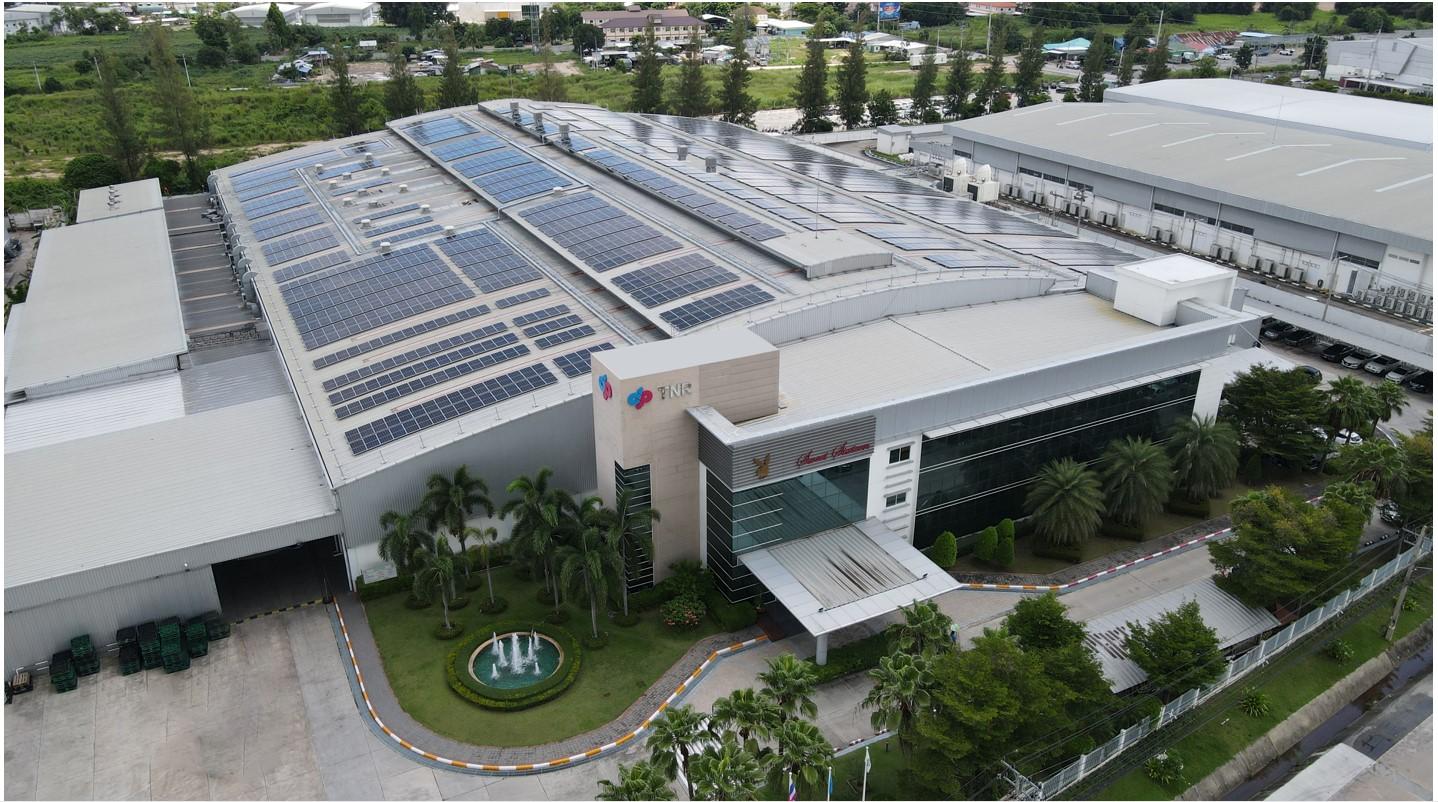
Project to install a Solar Rooftop power generation system with a capacity of 999.68 kW for self-consumption within the factory.
The factory continuously consumes electricity in its production processes throughout the day, especially during daytime hours when the electrical load is high. This has led to a continuous increase in electricity costs. To control energy costs and enhance the organization's energy efficiency, a project was initiated to install a Solar Rooftop power generation system with a total capacity of 999.68 kW for self-consumption within the factory. Installation commenced in 2020 and continues to the present. This project has enabled the self-generation of electricity as follows:
In 2020, 302,818 kWh of electricity was self-generated, reducing greenhouse gas emissions by 151.38 tons of carbon dioxide equivalent (tCO2e) and energy costs by 1,136,705 Baht.
In 2021, 1,401,340 kWh of electricity was self-generated, reducing greenhouse gas emissions by 700.53 tons of carbon dioxide equivalent (tCO2e) and energy costs by 5,110,389 Baht.
In 2022, 1,360,543 kWh of electricity was self-generated, reducing greenhouse gas emissions by 680.14 tons of carbon dioxide equivalent (tCO2e) and energy costs by 4,797,666 Baht.
In 2023, 1,461,000 kWh of electricity was self-generated, reducing greenhouse gas emissions by 730.35 tons of carbon dioxide equivalent (tCO2e) and energy costs by 5,291,935 Baht.
In 2024, 1,442,231 kWh of electricity was self-generated, reducing greenhouse gas emissions by 720.97 tons of carbon dioxide equivalent (tCO2e) and energy costs by 5,171,368 Baht.
In 2025, 1,377,440 kWh of electricity was self-generated, reducing greenhouse gas emissions by 688.58 tons of carbon dioxide equivalent (tCO2e) and energy costs by 5,113,771 Baht.
Water — Plan & Guidelines
Has a Water Management Plan
Yes
Plan Description
The Company recognizes the importance of natural resource conservation, particularly optimizing water management for maximum benefit. This approach aims to reduce operational costs, mitigate the risk of future water scarcity, and minimize wastewater discharge into the environment. Therefore, the Company prioritizes water management to reduce water consumption derived from natural resources, thereby enabling the Company to operate while simultaneously fostering environmental sustainability.
Water — Withdrawal, Discharge & Consumption
Water Withdrawal, Discharge & Consumption
| Metric | Current Year | Previous Year | Two Years Ago |
|---|---|---|---|
| Total water withdrawal (Cubic meters) | 225,607 | 231,097 | 215,238 |
| Total water withdrawal by third-party water (Cubic meters) | 117,988 | 123,478 | 107,619 |
| Total water withdrawal by surface water (Cubic meters) | 107,619 | 107,619 | 107,619 |
| Total water withdrawal by groundwater (Cubic meters) | 0 | 0 | 0 |
| Total water withdrawal by seawater (Cubic meters) | 0 | 0 | 0 |
| Total water withdrawal by produced water (Cubic meters) | 0 | 0 | 0 |
| Percentage of wastewater treated before discharge (%) | 100 | 100 | 100 |
| Total water discharge (Cubic meters) | 65,611 | 10,254 | 52,845 |
| Total water discharge to third-party water (Cubic meters) | 65,611 | 10,254 | 52,845 |
| Total water discharge to surface water (Cubic meters) | 0 | 0 | 0 |
| Total water discharge to groundwater (Cubic meters) | 0 | 0 | 0 |
| Total water discharge to seawater (Cubic meters) | 0 | 0 | 0 |
| Total water consumption (Cubic meters) | 159,996 | 220,843 | 162,393 |
| Recycled water (Cubic meters) | 2,941 | 24 | 2,729.9 |
Water — Targets
Has Set Targets
Yes
Targets
| Target | Base Year | Base Year Value | Target Year | Target Year Value | Target Change (%) | Unit | Unit — Please Specify | Per Unit (Intensity) | Per Unit — Please Specify |
|---|---|---|---|---|---|---|---|---|---|
| Reduction of water withdrawal | 2,024 | 0.01 | 2,025 | 0.01 | 1.5 | Cubic meters | Piece of product | Piece of product | |
| Increase of recycled water for consumption | 2,023 | 2,729.9 | 2,025 | 2,866 | 5 | Other | cubic meters per year |
Water — Performance & Outcomes
Has Performance Results
Yes
Performance Description
-
As the company prioritizes water conservation for optimal management, while also reducing operational costs and mitigating the risk of future water scarcity, the company has implemented projects for sustainable water management to reduce water consumption in the future, such as water recycling in processes and rainwater harvesting for reuse.
-
The company was able to reduce water consumption per unit of production by 0.0138 cubic meters/gross. Additionally, the volume of recycled water increased by 7.73% from the base year.
-
In 2025, the company implemented water management, with performance compared from 2023 to 2025.
Waste — Plan & Guidelines
Has a Waste Management Plan
Yes
Plan Description
The Company prioritizes reducing waste generated from its operations by implementing the 8Rs principle in waste management. This involves focusing on establishing an efficient waste and refuse segregation system by type, along with fostering awareness and participation among stakeholders, to minimize waste disposal, which is a contributing factor to greenhouse gas emissions.
Waste — Generation, Disposal & Recycling
Waste Generation, Disposal & Recycling
| Metric | Current Year | Previous Year | Two Years Ago | Remark |
|---|---|---|---|---|
| Total waste generated (Kilograms) | 996,202 | 1,408,909 | 924,012 | |
| Non-hazardous waste (Kilograms) | 951,954 | 1,344,169 | 880,067 | |
| Non-hazardous waste - Landfilling (Kilograms) | 26,333 | 224,634 | ||
| Non-hazardous waste - Incineration (with energy recovery) (Kilograms) | 433,137 | 171,949 | 179,706 | |
| Non-hazardous waste - Incineration (without energy recovery) (Kilograms) | ||||
| Non-hazardous waste - Other disposal operations (Kilograms) | 518,817 | 1,145,887 | 475,727 | |
| Hazardous waste (Kilograms) | 44,248 | 64,740 | 43,945 | |
| Hazardous waste - Landfilling (Kilograms) | ||||
| Hazardous waste - Incineration (with energy recovery) (Kilograms) | 20,169 | 25,880 | 13,491 | |
| Hazardous waste - Incineration (without energy recovery) (Kilograms) | ||||
| Hazardous waste - Other disposal operations (Kilograms) | 24,079 | 38,860 | 30,454 | Note: Year 2025 Recycled 395,468 kg 1.Treated biologically for biogas utilization 100,349 kg. Composted for fertilizer or soil conditioner 23,000 kg. 2.Year 2025 Reused 22,384 kg Recycled 1,615 kg Stored in containers 80 kg. |
| Total reused/recycled waste (Kilograms) | 419,467 | 722,008 | 506,181 | |
| Reused/Recycled non-hazardous waste (Kilograms) | 395,468 | 683,278 | 475,727 | |
| Reused non-hazardous waste (Kilograms) | ||||
| Recycled non-hazardous waste (Kilograms) | 395,468 | 683,278 | 475,727 | |
| Reused/Recycled hazardous waste (Kilograms) | 23,999 | 38,730 | 30,454 | |
| Reused hazardous waste (Kilograms) | 22,384 | 5,500 | 4,330 | |
| Recycled hazardous waste (Kilograms) | 1,615 | 33,230 | 26,124 |
Waste — Targets
Has Set Targets
Yes
Targets
| Waste Type | Disposal Approach | Target | Base Year | Base Year Value | Target Year | Target Year Value | Target Change (%) | Unit | Unit — Please Specify |
|---|---|---|---|---|---|---|---|---|---|
| Non-hazardous waste and hazardous waste | 2758 · Description: Reuse · 2759 · Description: Recycle · 2760 · Description: Landfilling · 2761 · Description: Incineration with energy recovery | Reduce waste volume | 2,024 | 26,333 | 2,025 | 25,016 | 5 | Other | kilograms per year |
Waste — Performance & Outcomes
Has Performance Results
Yes
Performance Description
The company has implemented an industrial waste management system (from 2013 to the present) with the objective of managing waste generated from the production line at its source. A waste inventory, waste history, and waste flow diagram are maintained to control and manage waste efficiently. The factory clearly defines objectives, targets, and operational plans. Officials conduct random inspections of waste disposal in all areas of every production process and evaluate the results to ensure that employees have the knowledge, understanding, and ability to properly manage, dispose of, sort, and store waste. In 2018, a project was initiated to reduce industrial waste disposal by landfill. The company studied waste management and reduction approaches, as well as waste reuse. Disposal methods for waste such as rubber scraps, foil scraps, and ground condom foil were changed from landfill to incineration for mixed fuel or other beneficial uses, resulting in a reduction of landfill waste by 30 tons per year. Additionally, substandard condoms are recycled into new products such as sandals, rubber coasters, plant pots, keychains, and yoga mats, and are repurposed as souvenirs and gifts for company employees. This also maximizes the beneficial recycling of waste from the production process and ultimately creates income and occupations for people in the community by employing local residents to trim sandal straps, thereby fostering a circular economy within the community and promoting industrial sustainability alongside the community.
Performance and outcomes in reducing waste and landfill waste by type: non-hazardous waste and hazardous waste in 2025.
Managing operational waste in line with landfill reduction targets and systematically monitoring from source to final disposal site, resulting in a 100% reduction in waste and landfill waste (Zero Waste to Landfill).
The company plans and implements analysis, improvement, or modification of production processes or technologies to efficiently utilize raw materials, water, energy, and other resources in a symbiotic or circular economy approach. This aims to increase productivity and reduce waste generation by applying the 3R principles, which are concepts and guidelines for the valuable use of existing resources. These include reducing waste by minimizing consumption (Reduce), such as reducing the use of materials and products that generate waste; reusing (Reuse), such as repurposing materials and products that are still functional; and recycling (Recycle), which involves processing used materials and products for new beneficial uses. The objective of adopting the circular economy principle is to design products and services that prioritize the conservation of natural resource costs, develop new products from waste or disused materials, maximize resource efficiency by circulating raw materials in product manufacturing, and minimize waste generation and negative environmental impacts. This has led the company to develop production processes that focus on using clean energy, reducing negative impacts, and increasing positive impacts on the economy.
Performance and outcomes in increasing waste and residual material reuse by implementing Circular Economy principles within the organization in 2025.
The company emphasizes production methods that value resource utilization, reduce water consumption, and improve the quality of water from wastewater treatment processes for resource circulation according to the 8R principles, to be reused in the company's production processes. Furthermore, technology and innovation are employed to monitor and analyze water quality through an IoT system to enhance efficiency and reduce environmental impact in line with the circular economy concept. Waste is also transformed into new products (Circular Economy Products).
Project to Repurpose Substandard Condoms into New Products (Circular Economy Product): The company implements a project to use substandard condoms as primary raw material for producing sandals, yoga mats, coasters, and keychains, aiming to reduce industrial waste disposal by landfill. Local community members are employed to trim sandal straps, and sandals are supported for use as souvenirs and for factory activities.
Outcomes and Benefits
Social Aspect
Job creation and income distribution to the community through employment for trimming sandal straps (10 baht per dozen), generating an average daily community income of 5,000 baht.
In 2025, products were supported for corporate activities and souvenirs, totaling 1,824 pairs of sandals and 1,000 coasters.
Environmental Aspect
Reduced industrial waste disposal by landfill, transforming it into various products such as sandals, yoga mats, coasters, and keychains.
Developed into "studded anti-slip rubber sheets" to expand the product base into the safety equipment sector, focusing on more specialized applications.

Additionally, circular economy initiatives have been continuously implemented, such as:
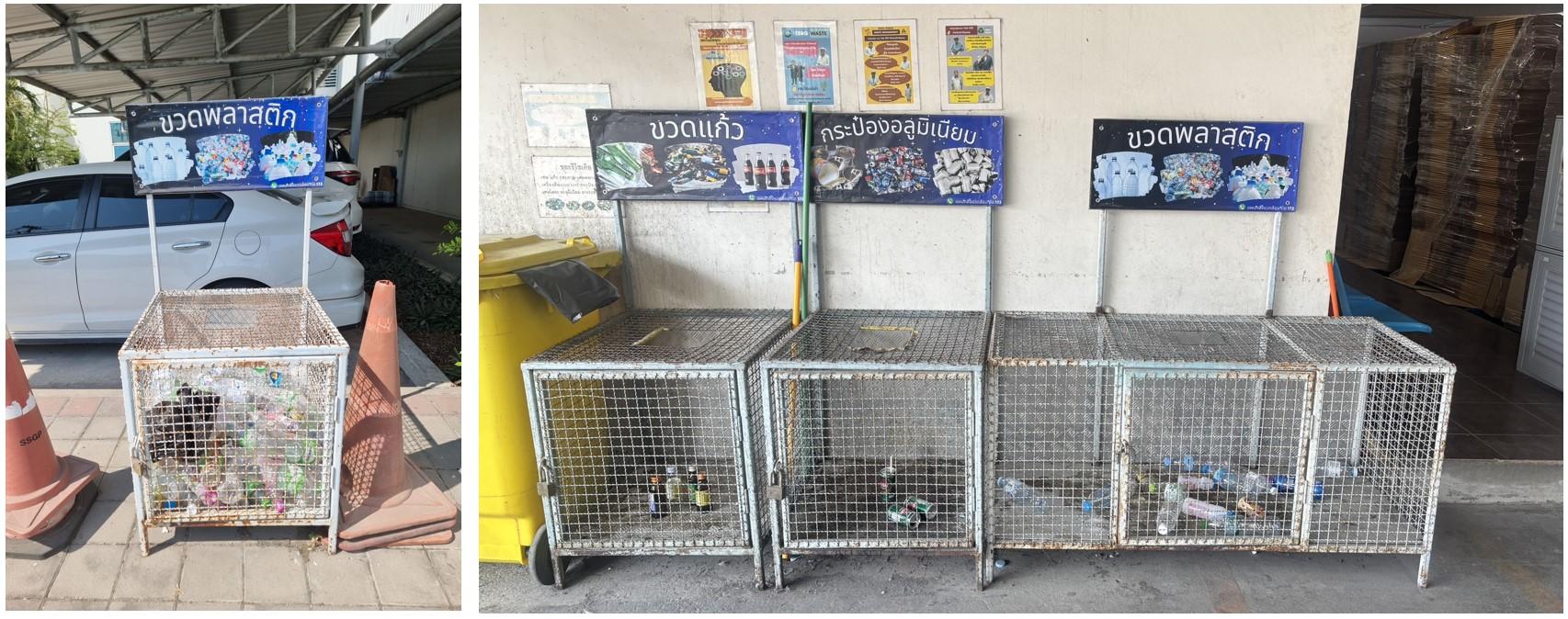
"TNR Bottle Power" Project
The company has implemented the "TNR Bottle Power" project since 2016 to the present, to enable all employees to participate in raising awareness and recognizing environmental issues related to plastic waste. This is achieved by encouraging employees to separate waste before disposal and allocating sufficient areas for plastic bottle waste. Data from 2016-2025 shows that a total of 28,150 kilograms of bottles were recycled. The income generated from selling recycled bottles has been used to organize various company activities, such as monetary and item donations, purchasing tom-tom drums for company recreational activities, buying items for the 2nd and 3rd "Sharing Dreams, Sharing Kindness" events, and distributing various prizes.
Outcomes and Benefits
Social Aspect:
The company continuously focuses on raising awareness and promoting environmental participation among employees.
Environmental Aspect:
From this collaboration, in 2025, a total of 2,626.50 kilograms of plastic bottles were sorted for recycling.
Reduced greenhouse gas emissions by 5,253 kilograms of carbon dioxide equivalent.
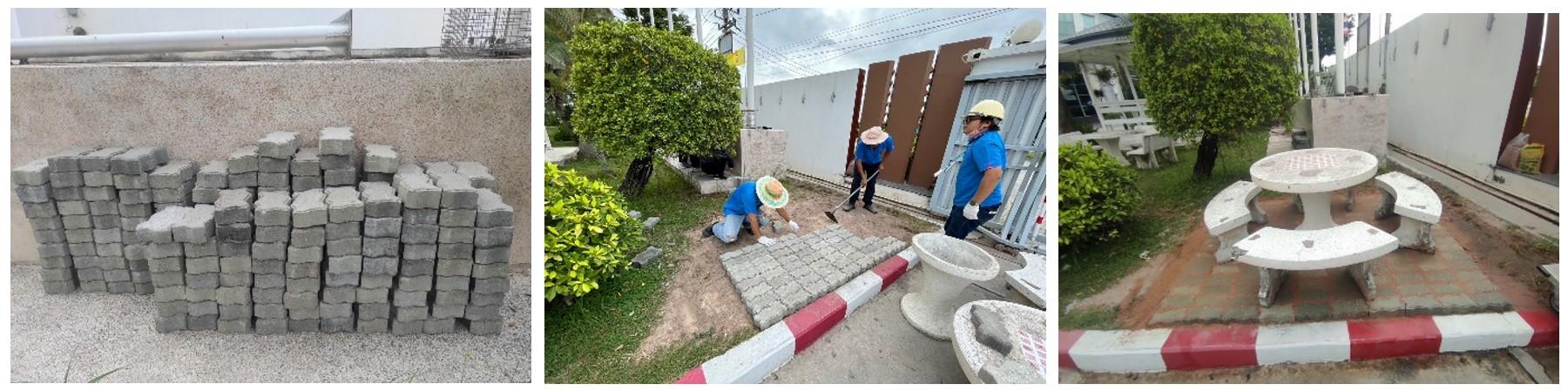
Project: "Repurposing Waste from Condom Production into New Products: Paving Blocks"
The company has implemented a project to reduce industrial waste disposal by landfill since 2018. This involved studying waste management and reduction approaches, as well as waste reuse. Authorized waste disposal contractors were engaged to change disposal methods from landfilling waste such as rubber scraps, foil scraps, and ground condom foil to incineration for mixed fuel, and also to produce paving blocks.
Based on the operational plan to reduce the amount of wastewater sludge sent to landfills and to reduce waste currently used as mixed fuel (foil scraps) by recycling/upcycling them into paving blocks, the organization signed an MOU with Burapha University. Interns from the Faculty of Public Health, Environmental Health program, were invited to conduct research on utilizing wastewater sludge and foil scraps. The results of this study led to the development of high-quality paving blocks in line with the circular economy concept.
Outcomes and Benefits
Social Aspect:
The company continuously focuses on raising awareness and promoting environmental participation among employees.
Environmental Aspect:
200 paving blocks were created for public benefit, reducing waste requiring disposal by 800 kilograms.
 Project: "Transforming Waste from Starch Sludge into Soil Amendment Material"
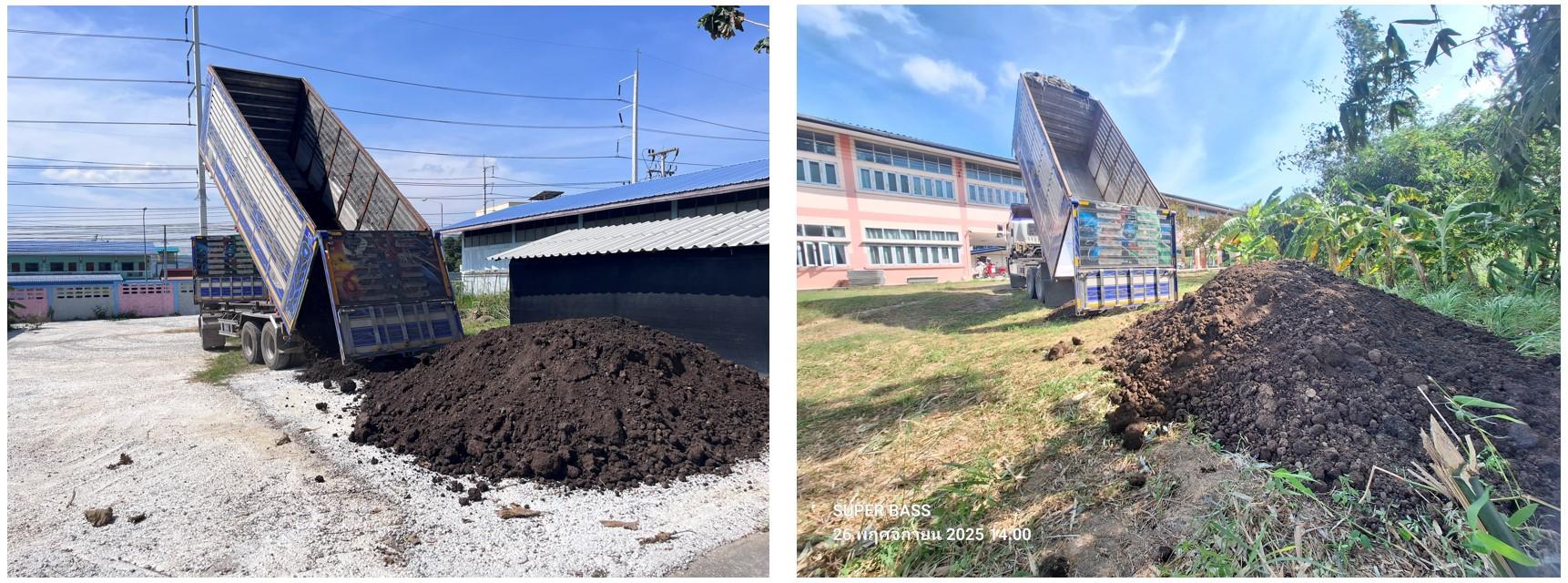
The company has a policy to reduce waste from landfills and aims for Zero Landfill by 2030 by implementing activities or projects to reduce non-hazardous waste sent to landfills through alternative disposal methods. In 2025, the company successfully reduced starch sludge landfill by sending the sludge for biological treatment to produce biogas for energy, ultimately resulting in soil amendment material. This achieved a 100% reduction in landfill compared to the previous year.
Outcomes and Benefits
Social Aspect:
Raising awareness among the public about the importance of utilizing resources efficiently and to their maximum benefit.
Promoting broad participation and fostering environmental awareness.
Environmental Aspect:
Reduced landfill waste: 100% reduction in waste destined for landfill by 2025 (demonstrating success in Zero Waste management).
Creating new resources: Utilizing residual materials for biological treatment to produce "soil amendment material."
Promoting learning and practice: 15,000 kilograms of this soil amendment were delivered to schools in Si Racha District (Ban Noen Tong School and Khao Khansong School) for agricultural use, providing benefits and serving as an important learning center for the sufficiency economy.
This project applies the circular economy concept in practice, efficiently managing waste to achieve benefits such as reducing environmental impact, creating added value, and providing agricultural knowledge to youth.
“Old Paper for New” Project
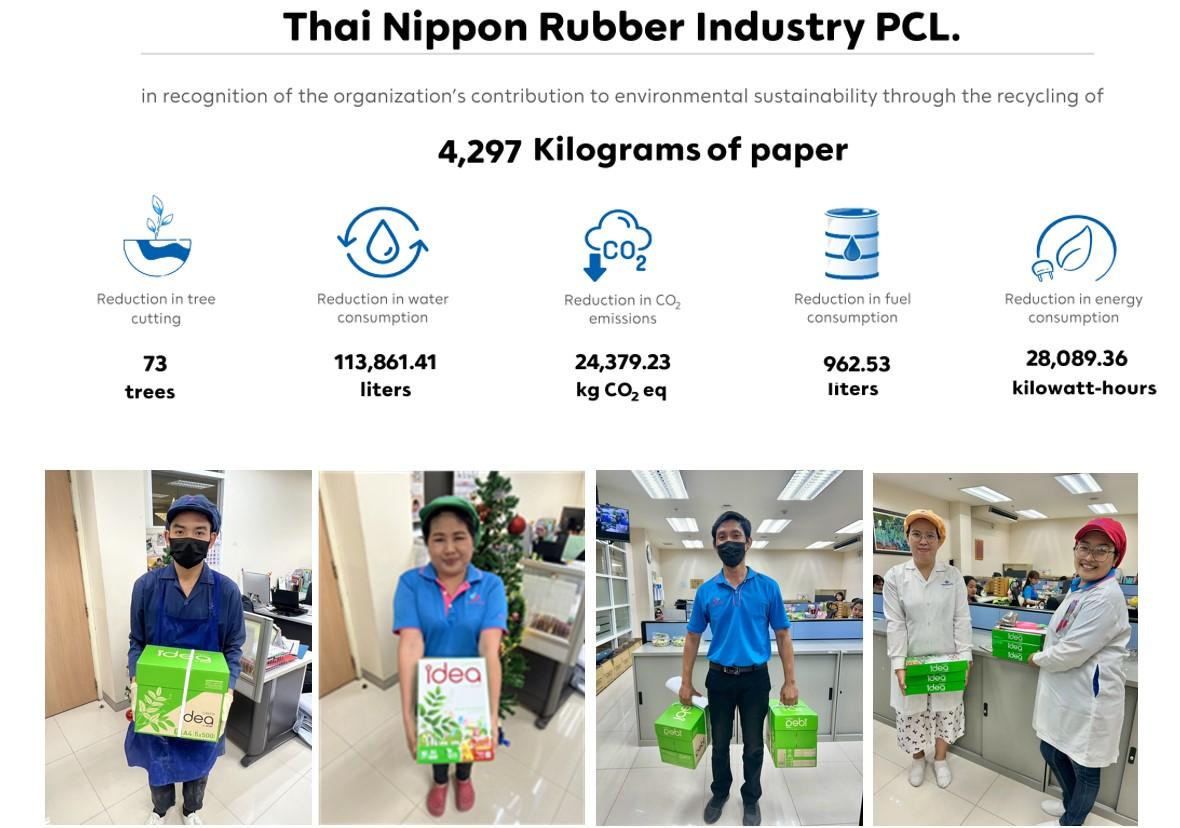
The company has continuously promoted and supported resource and environmental conservation. In the past, it has implemented company policies by adopting an e-document system to reduce paper resource consumption. However, despite reduced paper usage, paper continues to be used in office operations. Therefore, the company recognized the importance of reducing paper usage costs and launched the "Old Paper for New Paper" project to encourage employee participation in resource and environmental conservation and promote circular economy operations. The project involves collecting used paper from offices and sending it to SCG Packaging (SCGP) for continuous exchange of used old paper for new A4 paper. The project commenced in January 2023 and continues to the present.
Outcomes and Benefits
Social Aspect
This raises awareness about maximizing resource utilization.
Participation: Employees concretely participate in environmental conservation and foster awareness for proper waste segregation at the source.
Environmental Aspect
In 2025, 4,297 kilograms of paper can be recycled.
Equivalent to cutting down 73 trees.
Reduced greenhouse gas emissions by 24,379.23 kilograms of carbon dioxide equivalent.
Reduced fuel consumption by 962.53 liters.
Reduced energy consumption by 28,089.36 kWh.
GHG — Plan & Guidelines
Has a GHG Management Plan
Yes
Plan Description
The Company recognizes current global climate change, including changes in temperature, rainfall, the frequency and intensity of storms, and sea level changes, primarily caused by increased greenhouse gases resulting from human behavior, unsustainable resource consumption, and industrial operations, which are significant contributors to this increase. Therefore, the Company focuses on and prioritizes greenhouse gas reduction, environmental conservation, energy consumption reduction, and waste emission reduction from its operations to mitigate impacts on the environment, communities, and society, and to restore a sustainably healthy climate, while also contributing to achieving global greenhouse gas reduction targets.
Greenhouse Gas Reduction (CO2 equivalent)
Recognizing the importance of global climate change, the Company has established environmental management policies, particularly an energy conservation policy, which plays a key role in reducing greenhouse gas (GHG) emissions—the primary driver of climate change. The Company also applies circular economy principles, along with waste and water management practices, as operational guidelines to mitigate environmental impacts. Various projects and initiatives have been implemented to support these efforts.
The Company places strong emphasis on reducing carbon dioxide (CO2) emissions and has continuously implemented the following initiatives:
Solar Rooftop Power Generation Project
The Company has installed a solar rooftop system with a total capacity of 999.68 kilowatts (kW) to generate electricity for internal use within the factory. This system converts solar energy into electricity and supplies it directly to the factory’s power system, thereby reducing reliance on grid electricity, which is largely generated from fossil fuels. As a result, greenhouse gas emissions, particularly CO2, are significantly reduced. Further details are disclosed under the Energy Management sustainability section.Reduction of Industrial Waste Landfill through Co-Processing
The Company has shifted its waste management approach from landfill disposal of industrial waste (such as rubber scraps, foil scraps, and shredded condom foil) to co-processing as alternative fuel or other beneficial uses. This reduces the volume of waste sent to landfill. Further details are disclosed under the Waste Management sustainability section.Reduction of Starch Sludge Landfill through Biological Treatment
Starch sludge is treated using biological treatment processes to produce biogas for energy use. The remaining material can be used as a soil conditioner. This approach significantly reduces landfill waste. Further details are disclosed under the Waste Management sustainability section.Management of Non-Conforming Condoms under the 3Rs Principle
Non-standard condoms are managed in accordance with the 3Rs (Reduce, Reuse, Recycle) principle by recycling waste materials into new products with different applications. These recycled products are utilized in the Company’s CSR activities, such as souvenirs for customers, promotional items for exhibitions, and rewards for internal activities. Further details are disclosed under the Circular Economy and Waste Management sustainability sections.Water Management
The Company promotes sustainable water usage by reducing water consumption and reusing treated wastewater through improved water quality processes in line with the 8Rs principle. This supports resource circulation and reduces environmental impact under the circular economy concept, including transforming waste into new products (Circular Economy Products).Transportation and Shuttle Bus Management
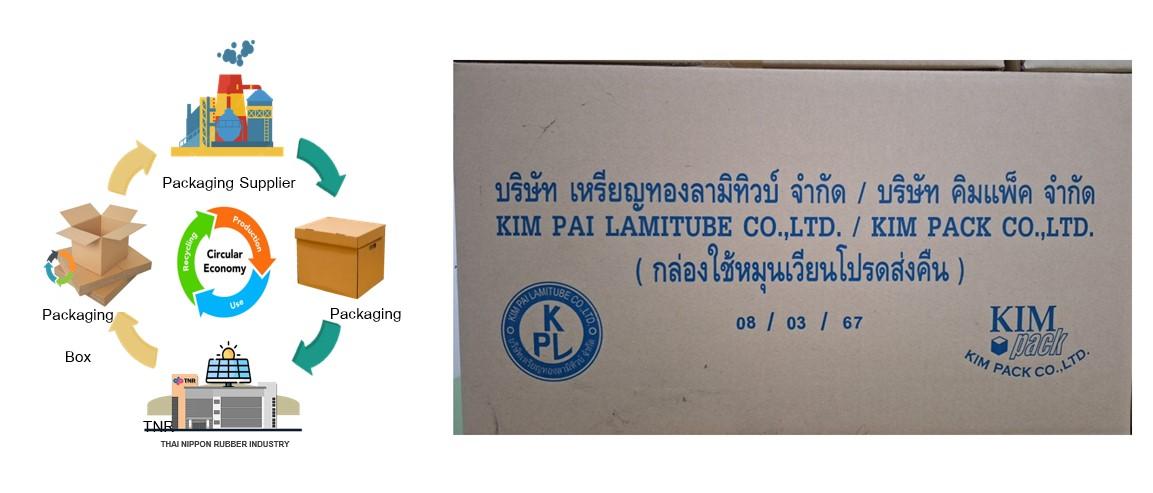
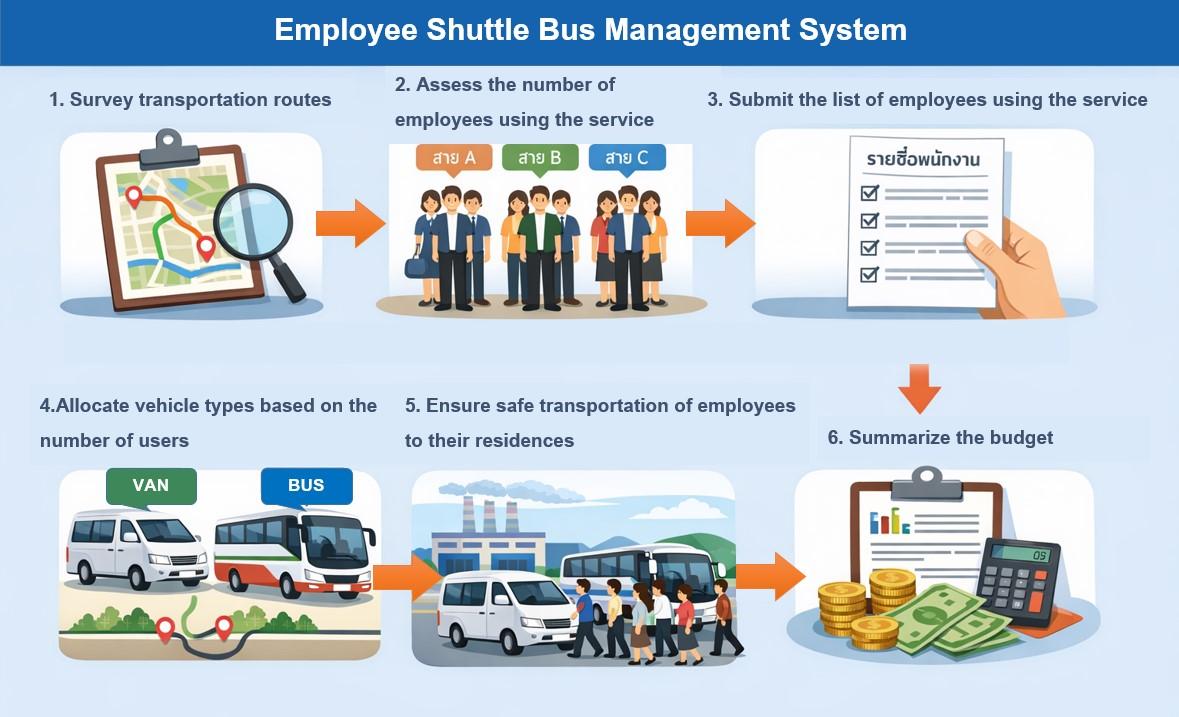
The Company has implemented a transportation management system for employee shuttle services to optimize routes and reduce the number of vehicles. This helps lower transportation costs and significantly reduces environmental impacts from business operations.Returnable Packaging Program with Suppliers
The Company has implemented a returnable packaging program, whereby packaging boxes are returned to suppliers for reuse. This initiative aims to reduce packaging waste and minimize emissions from empty return trips, thereby lowering environmental impact.
GHG — Emissions
GHG Emissions
| Metric | Previous Year | Two Years Ago | Remark |
|---|---|---|---|
| Total GHG emissions (Metric tonnes of carbon dioxide equivalent) | 24,151 | 22,778 | |
| Total greenhouse gas emissions 1 (Metric tonnes of carbon dioxide equivalent) | 2,456 | 2,187 | |
| Total greenhouse gas emissions 2 (Metric tonnes of carbon dioxide equivalent) | 10,867 | 9,899 | |
| Total greenhouse gas emissions 3 (Metric tonnes of carbon dioxide equivalent) | 10,828 | 10,692 | Note: The total greenhouse gas emissions in 2025 will be reviewed in the 2026 period. |
GHG — Emissions Verification
Emissions Verified by a Third Party
Yes
Verifying Body
2656
Verifying Body — Please Specify
NPC Safety and Environmental Service Company Limited
GHG — Principles & Standards
Principles & Standards Applied
| Standard |
|---|
| 2671 |
GHG — Targets
Has Set GHG Targets
Yes
GHG Targets — Other Targets
Other GHG Targets
| Emission Scope | Base Year | Base Year Emissions | Near-term Target Year | Near-term Target Value | Near-term Target Change (%) | Target Year | Target Year Emissions | Target Change (%) | Unit |
|---|---|---|---|---|---|---|---|---|---|
| 2716 | 2,024 | 24,151 | 2,030 | 16,906 | 30 | 2,030 | 16,906 | 30 | Metric tonnes of carbon dioxide equivalent |
GHG — Performance & Outcomes
Has Performance Results
Yes
Performance Description
Solar Power Generation System Installation Project, 999.68 kW
The factory operates continuous production activities, resulting in high electricity consumption and greenhouse gas emissions from electricity generated by fossil fuels. To enhance energy efficiency and reduce environmental impact, the factory implemented a project to install a rooftop solar power generation system with a total capacity of 999.68 kilowatts (kW) for self-consumption within the factory. This system converts solar energy into electricity and feeds it directly into the factory's electrical system, thereby reducing reliance on electricity from the grid, which is mostly generated from fossil fuels. This leads to a reduction in greenhouse gas emissions, particularly carbon dioxide (CO 2 ) concretely.
The implementation of this project enables the factory to reduce long-term electricity costs, enhance energy stability, mitigate risks from energy price fluctuations, and support the country's clean energy policy. It also aligns with sustainable development guidelines and the organization's greenhouse gas reduction targets. The project has contributed to reducing greenhouse gas emissions as follows:
In 2020, 302,818 kilowatt-hours of electricity were self-generated, reducing greenhouse gas emissions by 151.38 tons of carbon dioxide equivalent (tCO2e) and energy costs by 1,136,705 Baht.
In 2021, 1,401,340 kilowatt-hours of electricity were self-generated, reducing greenhouse gas emissions by 700.53 tons of carbon dioxide equivalent (tCO2e) and energy costs by 5,110,389 Baht.
In 2022, 1,360,543 kilowatt-hours of electricity were self-generated, reducing greenhouse gas emissions by 680.14 tons of carbon dioxide equivalent (tCO2e) and energy costs by 4,797,666 Baht.
In 2023, 1,461,000 kilowatt-hours of electricity were self-generated, reducing greenhouse gas emissions by 730.35 tons of carbon dioxide equivalent (tCO2e) and energy costs by 5,291,935 Baht.
In 2024, 1,442,231 kilowatt-hours of electricity were self-generated, reducing greenhouse gas emissions by 720.97 tons of carbon dioxide equivalent (tCO2e) and energy costs by 5,171,368 Baht.
In 2025, 1,377,440 kilowatt-hours of electricity were self-generated, reducing greenhouse gas emissions by 688.58 tons of carbon dioxide equivalent (tCO2e) and energy costs by 5,113,771 Baht.
Returnable Box Project
The Returnable Box Project is a sustainable logistics and resource management project based on the concept of returning packaging boxes to suppliers on return trips, instead of empty return trips. This allows the boxes to be reused in the product transportation process, reducing waste and unnecessary use of new resources, in line with circular economy principles. The project's main objectives are to reduce greenhouse gas emissions, minimize resource depletion, and enhance the efficiency of transportation system utilization. The organization has set operational targets: to reduce greenhouse gas emissions from empty return trips, reduce greenhouse gas emissions from raw material acquisition, and increase the volume of returnable box usage. The organization collects reusable packaging boxes from each product delivery cycle and returns them to suppliers on return trips, instead of disposing of them or selling them for recycling. This ensures continuous reuse of packaging boxes within the logistics system, reducing the need for new raw materials and minimizing waste generation. Operational results show that the organization can reduce greenhouse gas emissions from empty return trips and the acquisition of paper box raw materials by an average of 66,735.60 kgCO 2 2e/year. The average volume of reusable boxes is 34,853 kg/year.
Employee Shuttle Route Management Project
The "Employee Shuttle Route Management" project is a personnel transportation project under the company's employee shuttle welfare program, focusing on improving and managing routes, vehicle types, and the number of shuttle vehicles to suit the number of employees at different times. This aims to increase resource efficiency, reduce unnecessary travel distances, lower transportation costs, and decrease greenhouse gas emissions, thereby reducing environmental impact. The company's administrative department is responsible for managing and controlling the project's operations. The project commenced in 2017, utilizing a shuttle route management system as the primary tool for planning and controlling vehicle operations. Route data is surveyed, and employee work schedules are collected weekly to analyze and determine appropriate vehicle types and numbers of shuttle vehicles for the number of passengers and routes. Currently, the company operates a total of 7 employee shuttle routes: Bang Lamung Line, Si Racha Line, Nong Mon Line, Prapa-Huai Lek Line, Si Mum Mueang-Keha Line, Bo Win Line, and Rong Po Line. As a result of this project, greenhouse gas emissions have been reduced by an average of more than 48,672 kilograms of carbon dioxide equivalent per year (kg CO2e/year), and transportation costs have been reduced by an average of more than 968,720 Baht per year, reflecting the efficiency of personnel transportation system management and operations consistent with sustainable organizational development guidelines.
Environmental Legal Incidents
Legal Violation Incidents
| Metric | Current Year | Previous Year | Two Years Ago |
|---|---|---|---|
| Number of cases or incidents of legal violations or negative environmental impact (cases) | 0 | 0 | 0 |
Employees — Plan & Guidelines
Has an Employee Management Plan
Yes
Plan Description
The Company recognizes the importance of its employees as the most crucial resource for business operations and a key factor in achieving its objectives. Therefore, the Company has established policies focused on developing employees' skills and mindset to continuously enhance their performance in all aspects and at all levels. This fosters creative ideas that add innovative value to the Company, which is considered one of its important strategies.
Motivating and Retaining Talented Employees
Motivating and retaining talented employees. The intense competition in today's business environment also leads to competition for skilled and knowledgeable employees within organizations. If the Company provides adequate and appropriate employee benefits, it will be able to retain talented employees. Therefore, the Company promotes training for employees at all levels to ensure they understand the products, maintain quality, and uphold social responsibility.
Human Rights
The Company prioritizes respect for human rights and will not engage in any actions that violate the rights and freedoms of any stakeholders. This includes ensuring that the Group's businesses are not involved in or support human rights violations. Furthermore, the Company will encourage its business partners and/or stakeholders to adhere to international human rights standards. Any human rights violations by the Company would negatively impact its reputation and other business groups. For more comprehensive information, please refer to the 2025 Annual Report on the Company's website. https://www.tnrcondom.com/th/home
Plan Areas
| Plan Area |
|---|
| Fair employee compensation |
| Employee training and development |
| Occupational health and safety in workplace |
Employees — Workforce
Workforce Data
| Metric | Current Year | Previous Year | Two Years Ago |
|---|---|---|---|
| Total number of employees (Persons) | 1,000 | 1,074 | 1,069 |
| Number of male employees (Persons) | 268 | 289 | 279 |
| Number of female employees (Persons) | 732 | 785 | 790 |
| Total employment of disabled persons (people) | |||
| Total disabled employees (people) | |||
| Total male disabled employees (people) | |||
| Total female disabled employees (people) | |||
| Total disabled workers who are non-employee (people) | |||
| Contributions to the fund for promoting and improving the quality of life for disabled persons | |||
| Total number of male employees in operational level (Persons) | 243 | 264 | 256 |
| Total number of male employees in management level (Persons) | 22 | 22 | 20 |
| Total number of male employees in executive level (Persons) | 3 | 3 | 3 |
| Total number of female employees in operational level (Persons) | 718 | 771 | 775 |
| Total number of female employees in management level (Persons) | 14 | 14 | 15 |
| Total number of female employees in executive level (Persons) | 0 | 0 | 0 |
Employees — Remuneration & Provident Fund
Remuneration & Provident Fund
| Metric | Current Year | Previous Year | Two Years Ago |
|---|---|---|---|
| Total disabled employees (people) | 485,853,557 | 539,296,060 | 474,880,717 |
| Total male employee remuneration (Baht) | |||
| Total female employee remuneration (Baht) | |||
| Number of employees eligible to participate in PVD (persons) | 956 | 1,053 | 1,000 |
| Total number of employees joining employee provident fund (Persons) | 795 | 765 | 384 |
| Percentage of total number of employees joining employee provident fund to total number of employees (%) | 79.5 | 71.23 | 35.92 |
| Number of PVD members / Total eligible employees (%) | 83.16 | 72.65 | 38.4 |
| Total amount of provident fund contributed by the Company (Baht) | 8,106,595.57 | 7,377,745.4 | 2,795,341.81 |
| Total amount of provident fund contributed by employee (baht) | 11,288,484.21 | 9,204,992.2 | 3,529,307.91 |
Employees — Training & Development
Introduction
Personnel Development
Human resources are of utmost importance to the company, as they are the most critical factor leading the company to business success and enabling it to achieve its set goals for stability and future growth. Therefore, the company has established policies focused on developing employee potential by enhancing skills and fostering a positive mindset, adhering to corporate values. This is part of building a strong organizational culture, making it a globally competitive organization, and serving as the foundation for sustainable growth.
Employee Development Policy
The personnel of the Group of Companies are considered the most crucial resource of the organization. The growth of the organization is partly attributed to quality employees. Therefore, the company has a policy focused on developing and improving human resource management to be of high quality, modern, and in line with changing technology. The company places importance on personnel development, recognizing it as the organization's most valuable resource, and has thus established the following personnel development plan:
Personnel Development Plan
The company has established a Career Development Plan and an Individual Development Plan, specifying courses that align with job responsibilities and additional courses that enhance work skills, such as leadership skills, risk management, anti-corruption, and conservative concepts in "green rubber industry," among others. The company has also adopted information technology to facilitate personnel learning and training through various channels, including online training, video learning, self-learning, on-the-job training, and the application of new technologies for personnel development.
Personnel Development Policy
Thai Nippon Rubber Industry Public Company Limited (the "Company") recognizes the importance of human resources as the most critical asset in business operations and a key factor in achieving the company's objectives. Therefore, the company has established policies focused on developing employees' skills and mindset to continuously enhance work efficiency in all aspects and at all levels. This fosters creative thinking to add innovative value to the company, which is considered one of the company's important strategies. The company has set forth the following policies and guidelines:
-
The company encourages personnel to develop knowledge and expertise through practical work experience by assigning supervisors in each department to provide training within their respective fields.
-
The company promotes and continuously conducts seminars and training, both internal and external, for its personnel at all levels, from executives to operational staff. This aims to develop their knowledge, abilities, and work potential, and to encourage the application of acquired knowledge to further improve the company's operations.
-
The company conducts assessments of the development needs and requirements for its personnel at all levels, from executives to operational staff. These assessments form the basis of the company's human resource development plan, ensuring alignment with the company's development strategy and preparing personnel for increased responsibilities, career advancement, and the ability to fill vacant positions.
-
The company will organize various activities to foster closeness, familiarity, and good relationships between management and employees at all levels, thereby enhancing work quality.
Succession Plan
Recognizing the importance of continuity in the company's operations, the Board of Directors has established a succession plan for the Chief Executive Officer position. This ensures that the company has measures in place should the Chief Executive Officer be unable to perform duties, complete their term, or if the position becomes vacant for any other reason, thereby mitigating risks or impacts that may arise from a lack of continuity in the company's management.
In selecting personnel for appointment as Chief Executive Officer, the Nomination and Remuneration Committee shall consider the qualifications and abilities of such individuals in accordance with the company's established recruitment criteria and procedures. The person nominated for the position of Chief Executive Officer may be an external candidate or an internal personnel of the company holding a position at the director level or higher. Such individuals may apply for selection for the Chief Executive Officer position.
Furthermore, to enhance the capabilities of the company's personnel and to support the aforementioned succession plan, the Board of Directors has assigned the Chief Executive Officer the responsibility of overseeing, managing training, and consistently developing the knowledge and skills of the company's executives. Additionally, the Board of Directors has established guidelines for the rotation of executive responsibilities to ensure that the company's executives possess clear knowledge, understanding, experience, and readiness for overall organizational management. This personnel development policy has been effective since June 28, 2016.
Training Data
| Metric | Current Year | Previous Year | Two Years Ago |
|---|---|---|---|
| Average employee training hours (Hours / Person / Year) | 5.54 | 5.74 | 6.02 |
| Employee development and training expenses (baht) | 992,551.55 | 1,183,668.81 | 866,900.15 |
Employees — Occupational Health & Safety
Occupational Health & Safety Data
| Metric | Current Year | Previous Year | Two Years Ago |
|---|---|---|---|
| Total number of lost time injury incidents by employees (Cases) | 1 | 2 | 2 |
Employees — Labour Relations
Labour Relations Data
| Metric |
|---|
| Total voluntary resignations (Persons) |
| Male employees who voluntary resigned (Persons) |
| Female employees who voluntary resigned (Persons) |
| Percentage of employee turnover leaving the Company voluntarily (%) |
| Evaluation result of employee engagement |
Employees — Employee Representation
Employees Are Represented Collectively
Yes
Forms of Representation
| Form |
|---|
| Labor relations committee |
| Welfare committee |
Employees — Targets
Has Set Employee Targets
Yes
Targets
| Indicator | Target Areas | Target Year | Target Year — Description |
|---|---|---|---|
| Zero serious accident occurrences | 2988 · Description: Safety and occupational health at work | 2,025 | In 2025, the number of severe accidents decreased from the previous year, with strict compliance with safety, occupational health, and working environment laws, and a reduction in accidents. |
| Number of training hours | 2984 · Description: Employee training and development | 2,025 | The number of employee training hours in 2025 increased from the previous year. |
| Number of participations in employee relationship and engagement activities | 2985 · Description: Promoting employee relations and participation | 2,025 | In 2025, the Company organized activities to promote employee relationships and engagement. |
Employees — Performance & Outcomes
Has Performance Results
Yes
Performance Description
Operations and Key Performance in Motivating and Retaining Talented Employees
Various training programs were managed in 2025.
Operations and Key Performance in Human Rights
The Company has a policy to support and respect human rights protection by treating all stakeholders, including employees, the community, and surrounding society, with respect for human dignity, considering equality and equal freedom, not violating fundamental rights, and ensuring that the Company's business is not involved in human rights violations. Furthermore, the Company promotes monitoring compliance with human rights requirements through the practices implemented by the Company.
1. The Company does not support sexual harassment or abuse in the workplace and child labor.
2. The Company does not discriminate based on race, nationality, religion, language, skin color, gender, age, education, physical condition, or social status.
3. The Company has provided channels for participation in expressing opinions and lodging complaints for those who have suffered harm from rights violations arising from the Company's business operations, and provides appropriate remedies. It has also built knowledge in human rights and instilled awareness among its personnel to adhere to human rights principles.
Performance in Fair Treatment of Labor and Employee Engagement
Employment and Respect for Labor Rights
1. The Company has strictly adhered to the aforementioned guidelines.
2. The Company has established secure and safe complaint channels for employees and all stakeholders to be able to
complain or express opinions freely.
3. The Company has promoted employment in accordance with the Act on the Promotion and Development of the Quality of Life of Persons with Disabilities, Guideline Section 35.
4. Employee employment data
Non-Discrimination Policy
The Company will not be involved in or support discrimination in employment, wage and compensation payments, welfare provision, training and development opportunities, promotion or position advancement, termination of employment or retirement, and other matters based on differences in nationality. Race Religion Language Age Gender marital status, personal attitudes regarding gender, disability, HIV infection, being an AIDS patient, labor union membership, being an employee director, political party affiliation, or other personal beliefs. The Company will not obstruct, interfere with, or take any action that affects employees' activities, exercise of rights, or practices related to race, national traditions. Religion Gender Disability being an employee director, expressing other personal opinions, joining a labor union or political party. However, such employee activities must not cause any damage to the Company.
Social and Labor Responsibility Policy
Thai Nippon Rubber Industry Public Company Limited Limited (Public Company Limited) has a policy of conducting business with social responsibility and awareness. and places importance on supporting social and community activities, as well as caring for the environment, aiming to build good relationships based on mutual acceptance and trust, considering potential impacts on employees. Customers Partners and the community where the Company operates, as well as society and the nation, while also building an organizational culture. to ensure employees have social responsibility towards the community they live in. This policy has been established as a principle and guideline for collective action. 8 aspects as follows:
1. Corporate Governance : is committed to being the highest quality condom manufacturer in Thailand by building credibility for investors and stakeholders in business operations, adding value, and promoting the sustainable growth of the organization. and beneficial to Thai society. In this regard, to achieve goals and maintain excellence in ethics, which are fundamental values of a leading organization.
2. Human Rights: The company prioritizes fundamental human rights to promote respect for rights and freedoms through non-discrimination, promoting equality, inclusivity of gender and class, refraining from child labor, and opposing all forms of corruption. Wages are regulated to ensure they are at levels appropriate for the Thai industry.
3. Labor Practices : The Company ensures that wages are at a level appropriate for the Thai industry. Improvement structural changes and organizational management will be conducted responsibly within the framework of Thai law. including strict adherence to laws and regulations related to occupational health and safety. create a safe working environment for employees. by striving to keep everyone free from accidents and any dangers. that may occur.
4. Environment : The Company has a clear environmental policy and strictly adheres to it as a practice. such as has measures to reduce environmental impacts in various activities. of the organization. This is to preserve and maintain the ecosystem and environment of the community where the Company operates
5. Fair Operations : The Company is committed to conducting business fairly and ethically, and is diligent in complying with laws. respects social regulations and is a politically neutral organization.
6. Customer and Supplier Relationships focuses on excellent service for maximum customer satisfaction, is sincere in handling customer complaints, and strives to rectify various shortcomings. that may arise from production and / or services. At the same time, The Company expects to receive similar goods and services from supplier organizations, focusing on maintaining sustainable relationships with customers and suppliers.
7. Community Engagement and Development: The Company will consider the needs of the community, promote personnel to partner with local stakeholders around the establishment in terms of educational, cultural, and social development, and contribute to improving the quality of life of the community, while also encouraging and supporting employees to participate in volunteer work and public benefit activities with the community. The Company welcomes suggestions and opinions from stakeholders and will consider those suggestions for further development and improvement.
8. Promote and support the Company's activities. to provide employees with supplementary income and develop handicraft skills, such as organizing internal company markets where employees can sell products and handicrafts they have invented, created, or processed, both within the company and in communities outside the company.
Policy on Child Labor Employment
in accordance with the Ministry of Labor's announcement on the adoption of Thai Labor Standards for Social Responsibility of Thai Businesses. TLS 8001-2563 (2020) including the Labor Protection Act. B.E. 2541 (1998), the Company Therefore, it is deemed appropriate to establish a policy regarding child labor employment. as follows:
1. The Company will not support the employment of children under fifteen years of age.
2. In the event of employing child labor aged over 15 but under 18, the Company will comply with the Labor Protection Act by notifying the labor inspector of the employment of such child within 15 days from the date of employment.
3. The Company will maintain employment records at the establishment, ready for inspection by labor inspectors.
4. The Company will notify the labor inspector of the termination of child employment within 7 days.
5. The Company will provide child employees with a continuous rest period of at least 1 hour per day after they have worked for no more than 4 hours.
6. The Company will not allow employees under 18 years of age to work between 10:00 PM and 6:00 AM.
7. The Company will not allow employees under 18 years of age to work overtime or on holidays.
8. The Company will not allow child employees to perform work that may endanger their health.
9. The Company will not pay the wages of child employees to other individuals and will not demand security deposits from employees.
In 2025, the Company received the Outstanding Establishment Award for Labor Relations and Welfare for the year 2025 at the national level for the 6th consecutive year from the Ministry of Labor, and a certificate of honor indicating the adoption of Good Labor Practices (GLP).
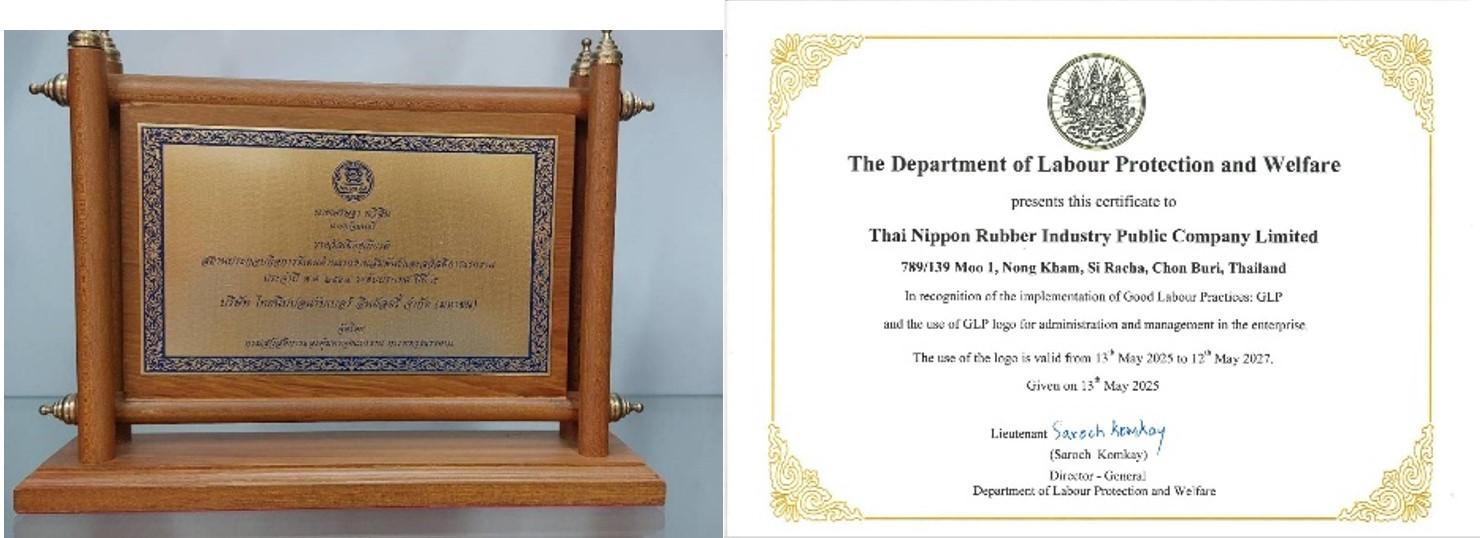
Customers — Plan & Guidelines
Has a Customer Management Plan
Yes
Plan Description
The company conducts its business by emphasizing product quality, including responsibility for products and services produced to standard, in order to achieve customer satisfaction with its products and services and to promote quality products and services to the market. The company maintains customer personal data in accordance with the Personal Data Protection Act and discloses channels and processes for handling customer complaints, which can be submitted via the company's website. www.tnrcondom.com
Responsibility towards Customers
The company is committed to developing its products for the utmost satisfaction and benefit of its customers, and adheres to treating customers with responsibility and integrity as follows:
The company prioritizes the quality and standards of its products, focusing on using high-quality raw materials and standardized production to ensure customers receive products that are of high quality, hygienic, and provide maximum satisfaction.
The company has ongoing projects to continuously develop and innovate new products to meet customer needs, ensuring customers have access to diverse, high-quality, and standard products that align with their requirements.
The company adheres to fair marketing practices, with a policy to ensure customers receive accurate, unbiased, clear, and non-exaggerated information about the company's products, so that customers have correct and sufficient information for decision-making.
The company prioritizes customer safety and is committed to ensuring customers use products that are of high quality and safe, in accordance with international safety standards and regulations, and as prescribed by law. This includes continuously designing, creating, and developing products to ensure customers have confidence in the quality, standards, and safety of the company's products.
The company provides a customer relations system for communicating with customers, including efficiently handling complaints regarding product quality, to quickly respond to customer needs.
The Company has established a policy regarding the confidentiality and protection of customers’ information.
The company organizes various activities to foster sustainable relationships between customers, and between customers and the company.
Plan Areas
| Plan Area |
|---|
| Responsible production and services for customers |
| Communication of product and service impacts to customers/consumers |
| Development of customer satisfaction and customer relationship |
| Protection of customer personal information |
Customers — Satisfaction Results
Customer Satisfaction Results
| Metric | Current Year | Previous Year | Two Years Ago |
|---|---|---|---|
| Evaluation results of customer satisfaction | 1 | 1 | 1 |
Customers — Targets
Has Set Customer Targets
Yes
Targets
| Indicator | Target Areas | Target Year | Target Year — Description |
|---|---|---|---|
| Customer Satisfaction (Service Quality and Product Quality) | 3009 · Description: Development of customer satisfaction and customer relationship | 2,025 | Customer satisfaction (service quality and product quality) must be ≥ 80%. |
Customers — Performance & Outcomes
Has Performance Results
Yes
Performance Description
Quality Policy (Quality Policy)
Thai Nippon Rubber Industry Public Company Limited is committed to establishing guidelines for maintaining product quality and safety.
To ensure satisfaction for both internal and external customers through consistent commercial support, by complying with product and business laws and regulations, while continuously improving and maintaining product quality.
The Company operates production under quality control, starting from incoming materials. The main raw material used in production is natural rubber latex, with the Company using 60% concentrated latex as the primary ingredient. The latex used by the Company is sourced from domestic manufacturers certified for quality according to international standards. Thai latex sources are renowned as the best in the world. Furthermore, the Company has a natural latex selection process, from tapping and mixing to maintaining a consistent temperature. This is to ensure high-quality raw materials and includes cleaning to remove protein stains after the molding process, preventing allergic reactions in users sensitive to natural latex proteins. This is a crucial step demonstrating care for consumers. Additionally, the quality of condoms is inspected, with the first stage involving manual screening to check for initial conditions such as leaks, condom edges, and color variations. The final stage is electronic leak testing, using an electronic leak testing machine to meet international standards.
Furthermore, a policy for sourcing key raw materials has been established to ensure operational sustainability. The Company has a policy of procuring raw materials from multiple suppliers to avoid reliance on any single vendor. Short-term raw material purchase agreements are in place. Additionally, the Company continuously selects and evaluates suppliers and has a concept of supporting suppliers to raise awareness of good environmental management. The main criteria for evaluating suppliers include selecting those certified with Green Industry Level 5 (GI5), ISO 14001 international environmental management system certification, or corporate-level greenhouse gas emission reduction certification (CFO), among others. Furthermore, the quality of raw materials is inspected with every delivery. The main raw materials used in the Company's condom production process include rubber, chemicals, and packaging. The Company focuses on overseeing and developing production processes by selecting environmentally friendly raw materials, adhering to the principle of using only what is necessary and sharing resources to achieve maximum efficiency. This includes reducing waste from the production process and utilizing resources wisely, resulting in high-quality raw materials and reduced losses from the outset.
In 2025, the Company received no significant complaints regarding the quality of its products and services from customers. This is considered an operation that met the set targets. The Company prioritizes product and service quality to ensure customer satisfaction. In 2025, the customer satisfaction level was 91%. The Company will continue to develop new, high-quality products that meet customer demands.
Key Quality Awards
Outstanding Health Product Award, Category for Promoting the Use of Domestic Raw Materials, for the year 2025, for Onetouch Maxx Dot Condom Product
Outstanding Medical Device Establishment Award for the year 2025 from the Food and Drug Administration, Ministry of Public Health.
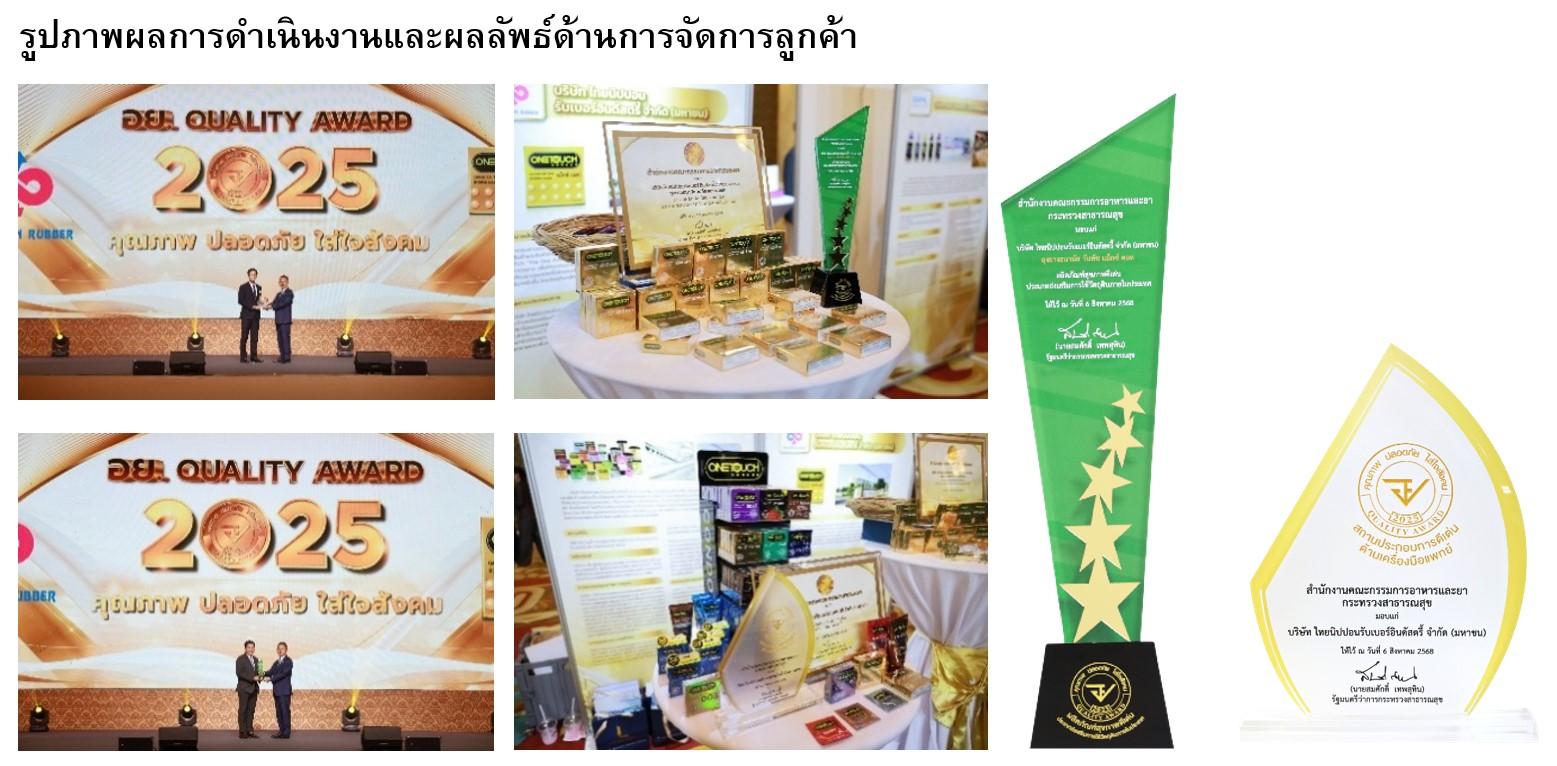
Community & Social — Plan & Guidelines
Has a Community & Social Plan
Yes
Plan Description
1. Establish more than 1 project that creates value/careers for society and evaluate the Social Return on Investment (SROI).
2. Organize various assistance/donation activities, especially in response to specific situations.
3. Continuously organize activities to promote employee engagement annually.
4. Zero lost-time injuries
5. Zero complaints regarding equality of benefits from stakeholders.
6. Zero human rights violations
7. Have more than 1 project that creates value for society.
Plan Areas
| Plan Area |
|---|
| Employment and professional skill development |
| Education |
| Religion and culture |
| Forests and natural resources |
| Occupational health, safety, health, and quality of life |
| Disadvantaged and vulnerable groups |
| Reducing inequality and promoting social equality |
Community & Social — Targets
Has Set Community & Social Targets
Yes
Targets
| Indicator | Target Areas | Target Year | Target Year — Description |
|---|---|---|---|
| Number of Projects | 3045 · Other name: Promoting activities that create value for society. · Description: Others | 2,025 | Promote one social value-creating project per year. |
| Number of Projects | 3045 · Other name: Promote biodiversity activities · Description: Others | 2,025 | Promote one biodiversity project annually. |
Community & Social — Performance & Outcomes
Has Performance Results
Yes
Performance Description
Education, Employment, and Career Skills Development
The Company recognizes issues related to unemployment and the quality of life within society. It therefore promotes social participation and supports community income generation to create opportunities for collective social development. These efforts aim to enhance overall well-being, increase income opportunities, and reduce social inequality, thereby enabling the Company to conduct its business operations alongside sustainable social development. The key initiatives undertaken are as follows:
The Company provides internship opportunities and employs local labor. In 2025, a total of 11 students were accepted for internships to develop practical working skills. In addition, the Company employed a total of 6 local workers residing in Chonburi Province.
The Company opened its facilities for visits and study of the production processes. A total of 13 organizations from both the public and private sectors expressed interest and visited the facilities, with a combined total of 406 visitors.
• Sumitomo Rubber (Thailand) Co., Ltd. visited the Company as a model industrial plant to study sustainable management practices, serving as a guideline for the implementation of eco-industrial development projects and outstanding industry initiatives in the circular economy category on February 25, 2025.
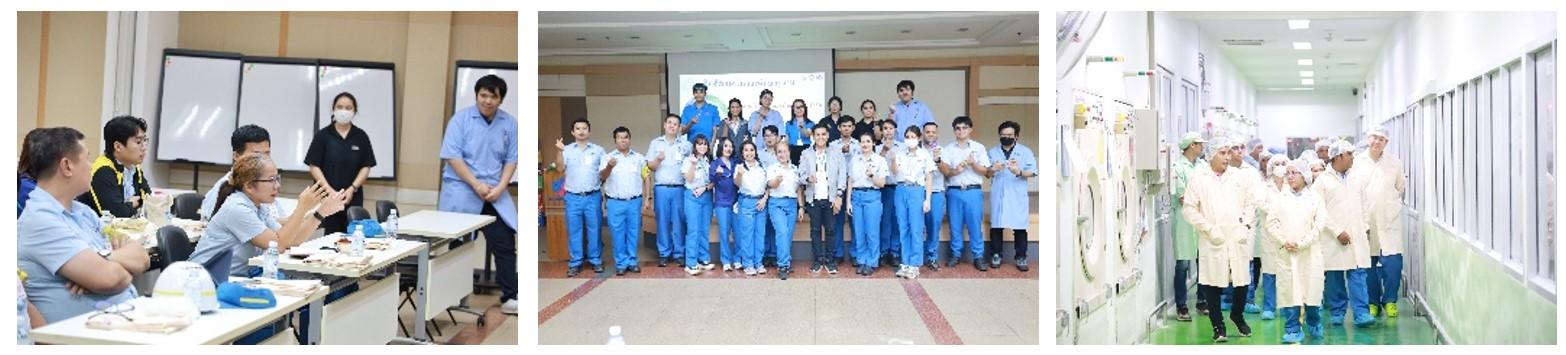
• Students from Burapha University visited the Company to study water management practices based on the circular economy approach, aimed at enhancing their knowledge and understanding and enriching their experience in environmental health on Monday, March 3, 2025.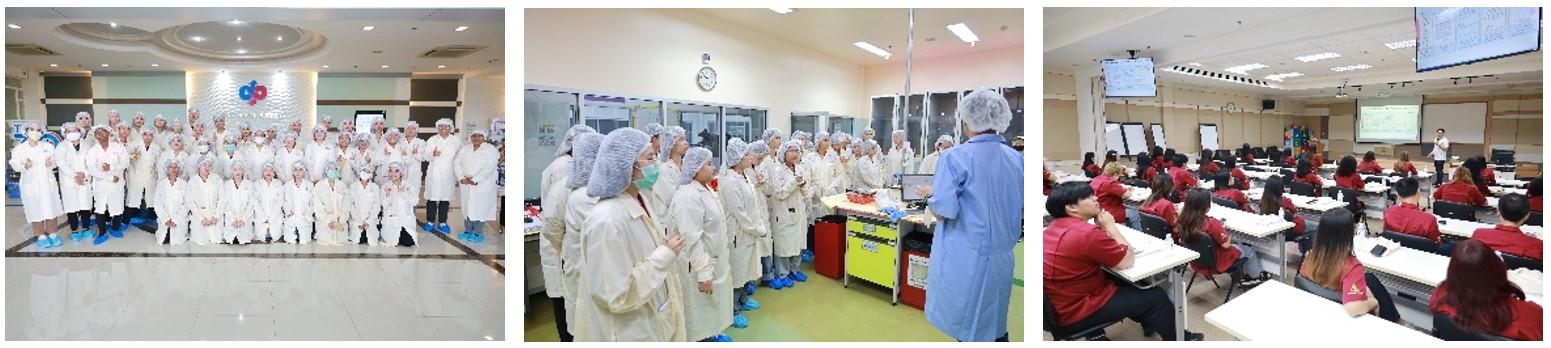
• Students from Khon Kaen University visited the Company to study management practices based on the circular economy approach in order to enhance their knowledge and understanding of industrial operations, enabling them to further apply this experience in their future careers on Thursday, May 15.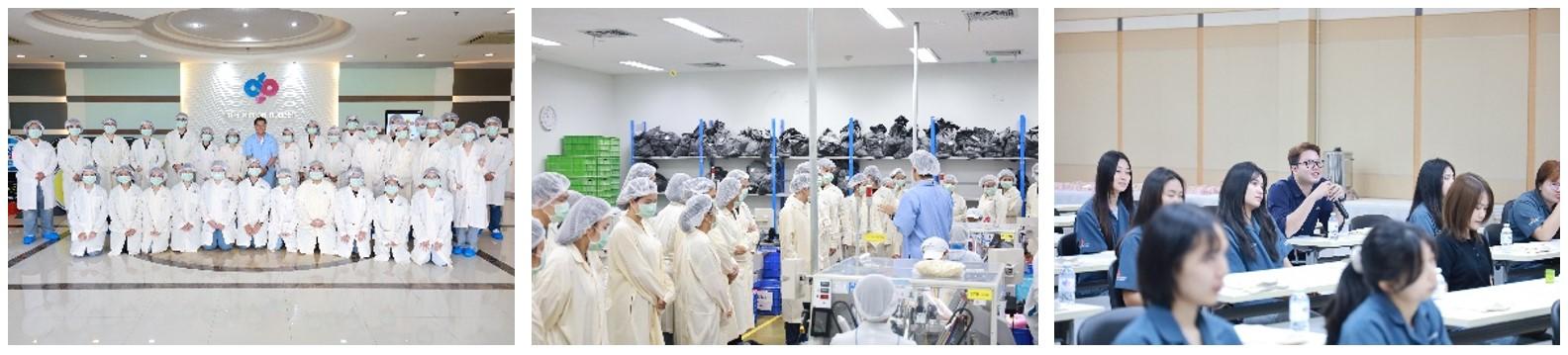
• Students from the Department of Industrial Engineering, Faculty of Engineering, Kasetsart University visited the Company to gain an understanding of the fundamental principles of production systems on Thursday, June 11, 2025.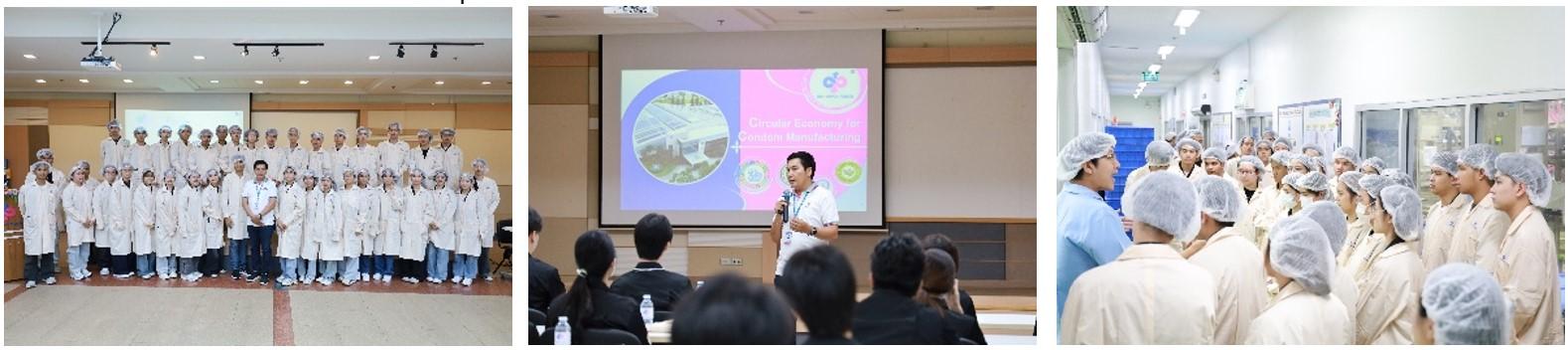
• The Thai Chamber of Commerce visited the Company to gain an understanding of the fundamental principles of production systems on Thursday, June 26, 2025.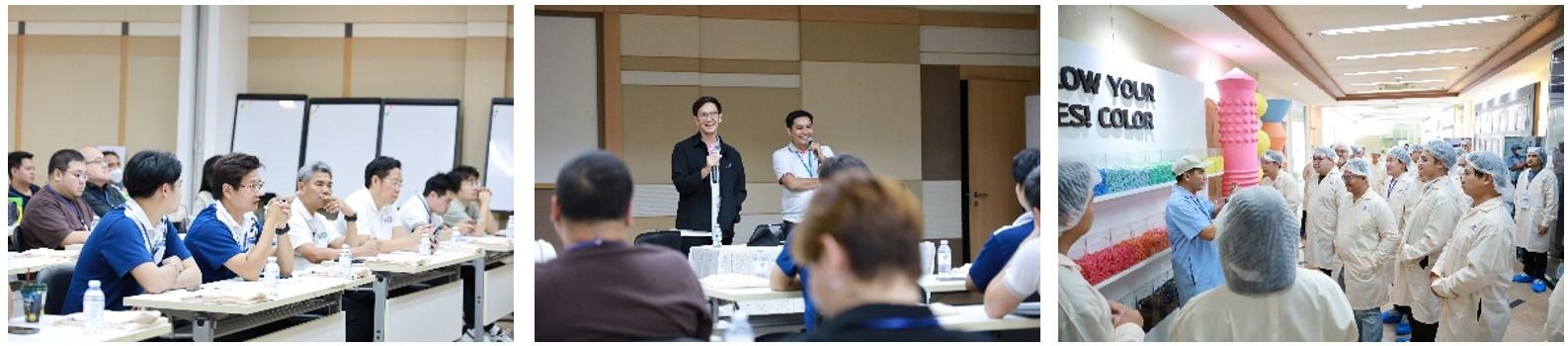
• The Company hosted participants of the Sustainable & Green Industrial Leadership (SGIL) Program, Class 1, for a study visit on approaches toward achieving Net Zero and the Circular Economy, in collaboration with the Industrial Estate Authority of Thailand and Chiang Mai University, on July 4, 2025.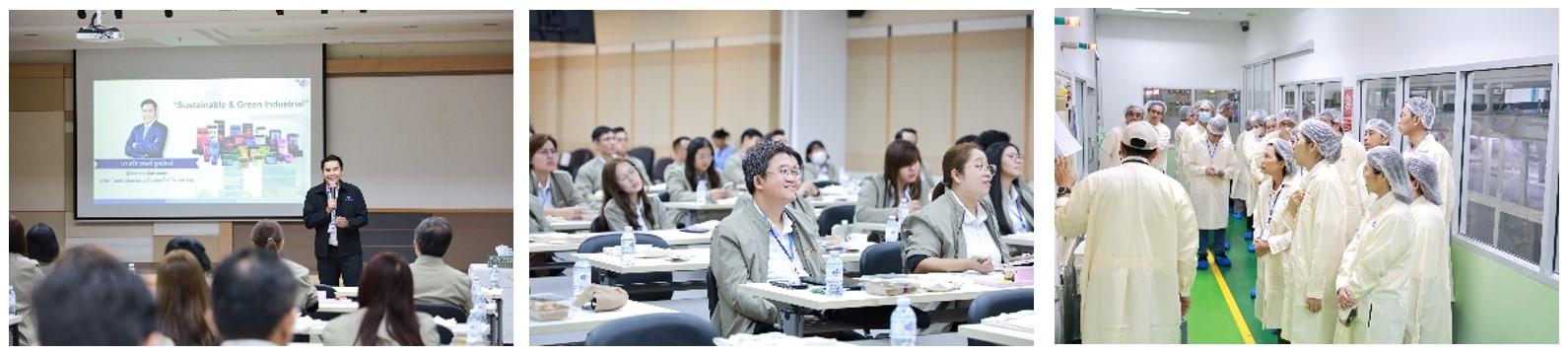
• Students from the Department of Environmental Engineering, Faculty of Engineering, Mahasarakham University visited the Company to study management practices based on the circular economy approach. The visit aimed to provide students with practical learning experience in environmental management operations, particularly in effective waste management in accordance with the 3R principles, as well as the application of environmental engineering technologies for solving pollution problems at both industrial and community levels on Thursday, September 4, 2025.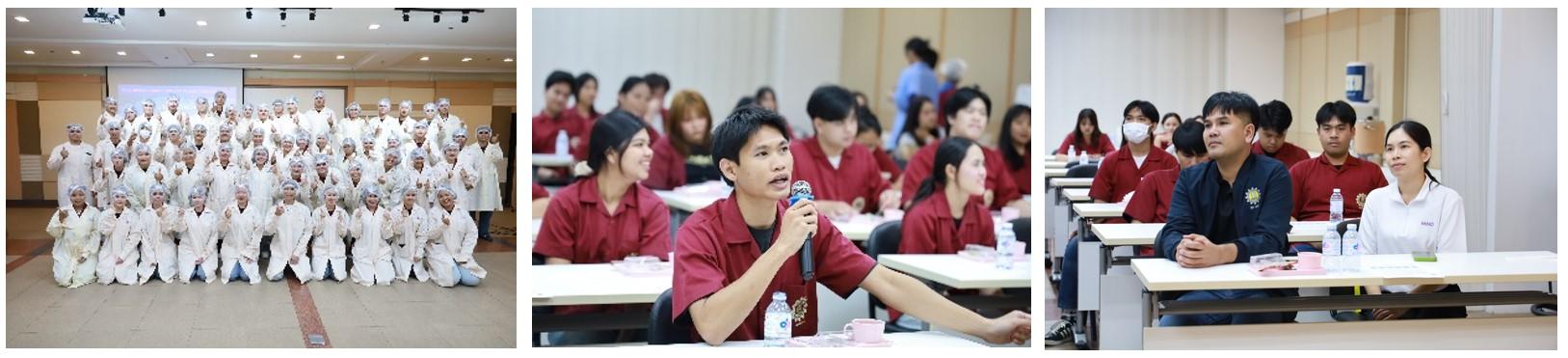
• The Company participated in the evaluation of the Green Star–White Flag Program on July 9, 2025. The objective of the program is to provide surrounding communities with the opportunity to directly recognize the environmental management practices of the Industrial Estate Authority of Thailand (IEAT) and to engage in monitoring the environmental management of factories within the industrial estate in accordance with established criteria. The program also aims to enhance confidence in environmental governance based on the principles of good environmental governance.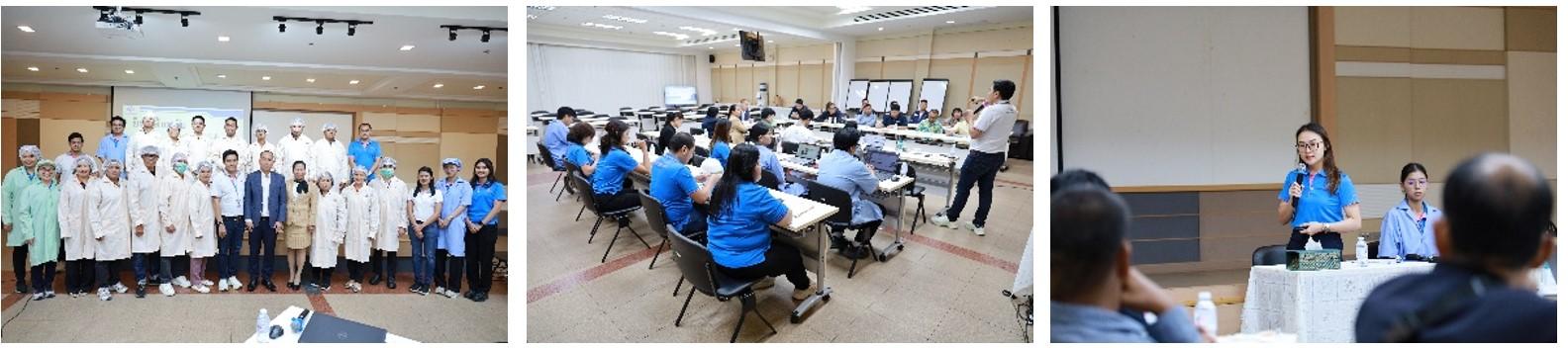
• Participants of the intensive training program on Eco Factory and Eco Factory for Waste Processor standards from Burapha University and the Federation of Thai Industries visited the Company’s production processes on September 23, 2025. The visit aimed to develop personnel with the knowledge and skills necessary to serve as consultants and auditors for Eco Factory standards for general industrial operators and Eco Factory for Waste Processor standards for waste management operators in an effective manner.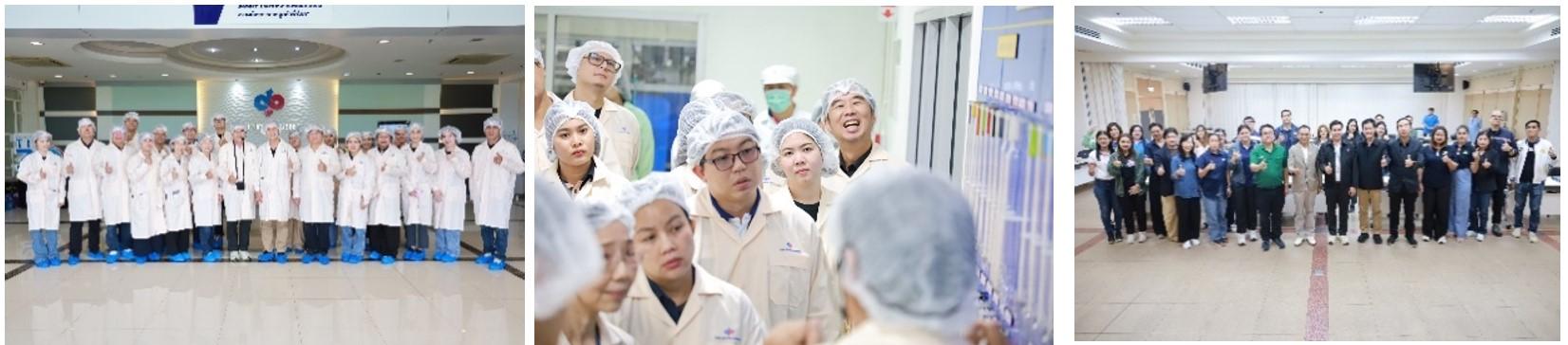
Facility Visits and Study of Production Processes
Participants of the Eco Green Network Project from TFD Industrial Estate 1 visited the Company to observe the production processes and study operational practices aligned with sustainable development principles (SDGs) and organizational carbon footprint (CFO) management on Tuesday, November 25, 2025.
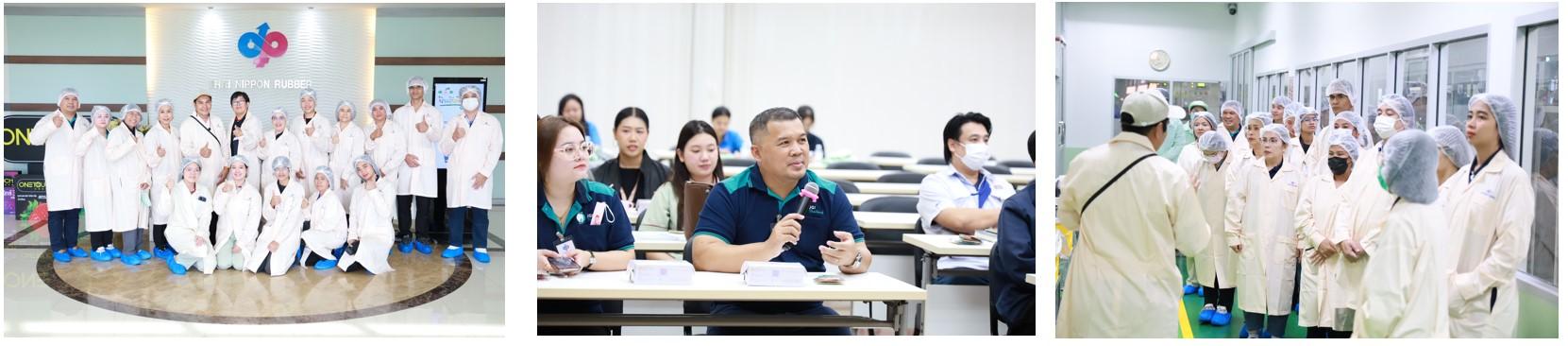
Students from the Department of Chemical Engineering, Environmental Engineering Program, Ubon Ratchathani University visited the Company to study the organization’s environmental management practices, resource management, and industrial waste management with the aim of achieving success and sustainable development on Thursday, November 27, 2025.
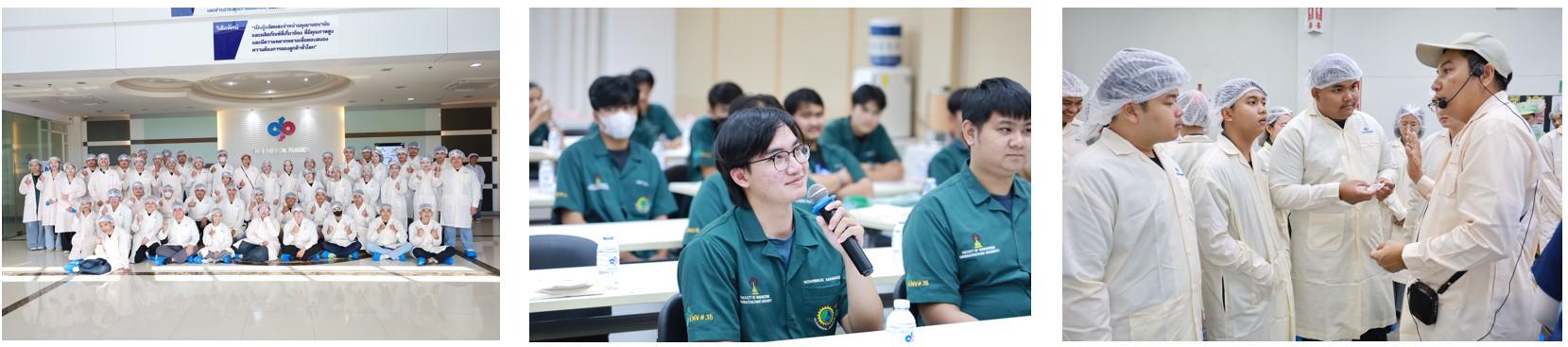
Executives, employees, and entrepreneurs from the Gemopolis Industrial Estate visited the Company to study the topic of management of production residuals and their reuse (Recycle/Upcycle) on Tuesday, December 16, 2025.
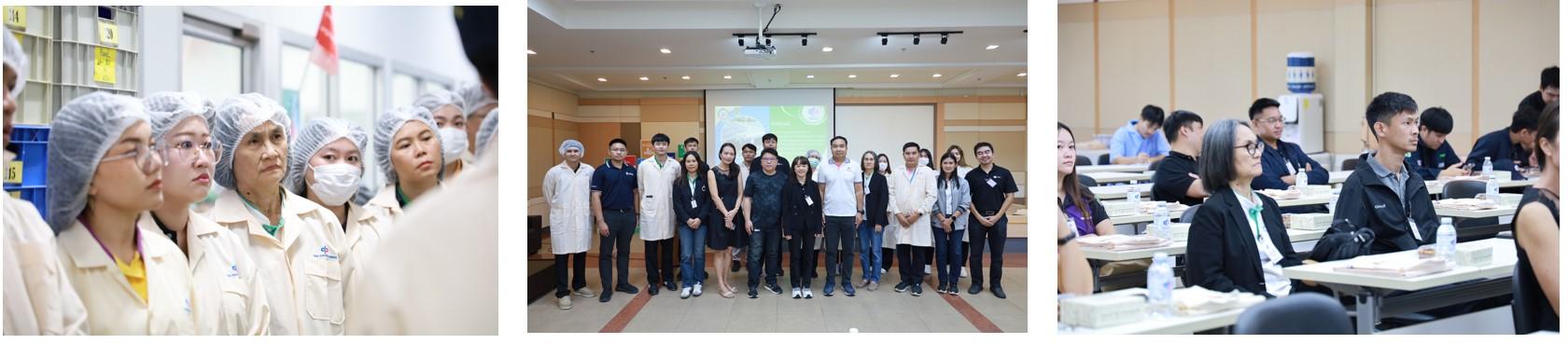
Executives and personnel from the University of Phayao visited Thai Nippon Rubber Industry Public Company Limited to discuss cooperation on cooperative education and work-integrated learning programs on Wednesday, December 17, 2025.

The Company participated in the National Mother’s Day 2025 activity in honor of the birthday anniversary of Her Majesty Queen Sirikit The Queen Mother on August 8, 2025. On this occasion, the Company provided scholarships to students to support their education at Ban Noen Tong School, Si Racha District, Chonburi Province.
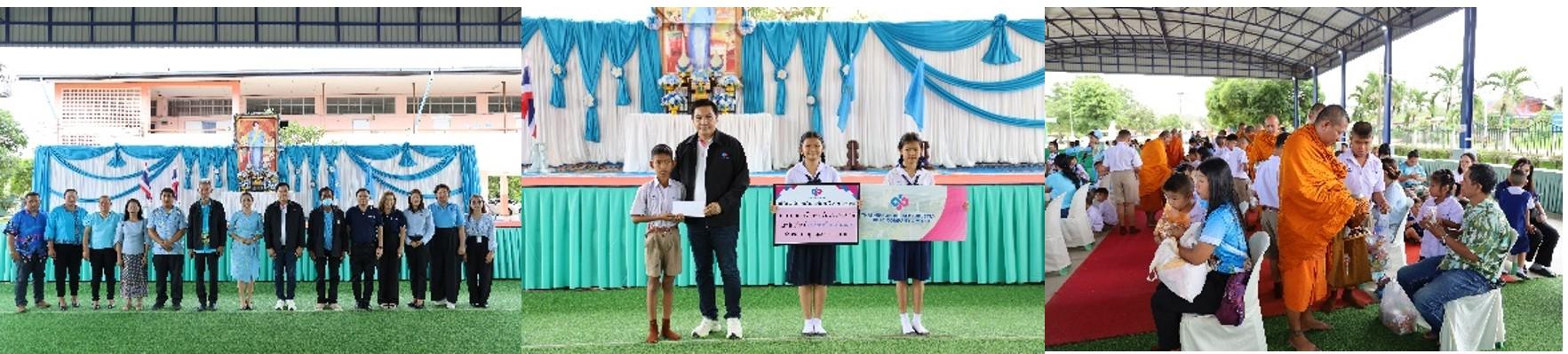
Promotion of Health and Well-being
The Company participated in the Mobile Municipal Service Project organized by Chaophraya Surasak City Municipality for fiscal year 2025: 3rd session at Wat Nong Kho Community School on July 31, 2025
4th session at Bueng Sriracha School on August 14, 2025During these events, the municipality distributed relief bags to local residents and organized various public service booths, such as blood sugar screening services, tax payment services, and community product stalls. The Company contributed by distributing shoes to underprivileged residents and organizing prize-drawing game activities to encourage community participation and enjoyment.

•Under the 8th “Sharing Dreams, Sharing Kindness” Project, the Company organized a corporate social responsibility activity by donating flip-flops made from recycled non-conforming condoms and face masks on the occasion of the Songkran Festival 2025. The donations were distributed to 36 communities located within a 5–10 kilometer radius of the Pinthong Industrial Estate, with the event taking place at the Pinthong Industrial Estate Office.
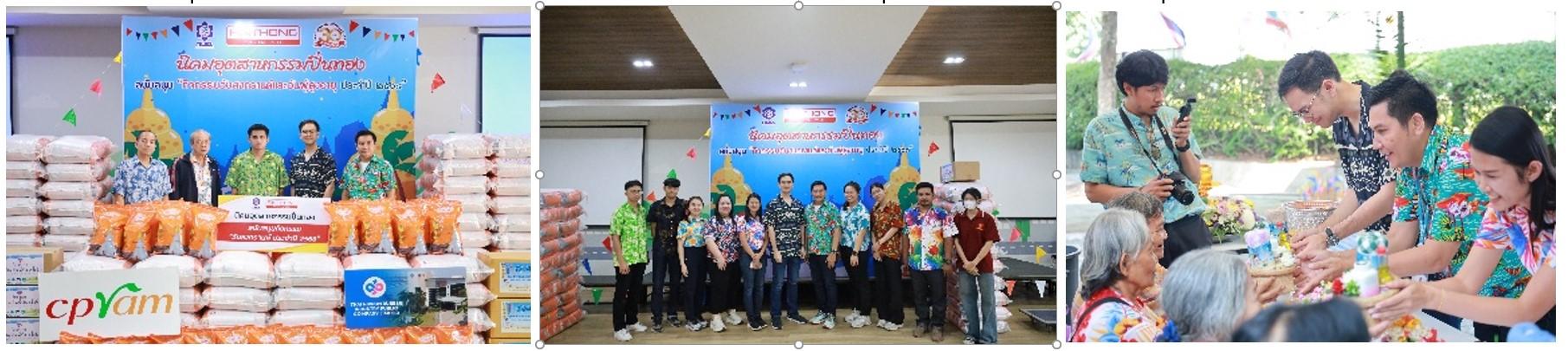
Sufficiency Economy Agricultural Garden Promotion Project
The Company has implemented a project to promote social responsibility and sustainable community development under the name “Green School” at Ban Noen Tong School, Si Racha District, Chonburi Province, in accordance with the policy of the Chairman of the Board. The project commenced from June 2024 to March 2025 with the objective of enhancing students’ knowledge and understanding of vegetable cultivation methods and enabling them to apply such knowledge in their daily lives. The project also aims to foster positive attitudes and awareness toward agricultural occupations and to encourage students to make informed choices in consuming safe food.
Based on field activities under the Green School project at Ban Noen Tong School, Si Racha District, Chonburi Province, the initiative focused on establishing agricultural plots in line with the Sufficiency Economy Philosophy. The project results indicate that both the school and students were able to apply the knowledge gained on cultivation to further develop career opportunities and generate income in the future. From activities conducted between 13 August and 27 November 2024, the project generated total revenue of 7,416 Baht.
In 2025, the Company expanded the initiative into Green School Phase II, aimed at improving and upgrading the agricultural plots to enhance their efficiency and usability. Phase II was implemented from 1 March to 31 August 2025, with the official handover of the improved vegetable garden on 30 August 2025.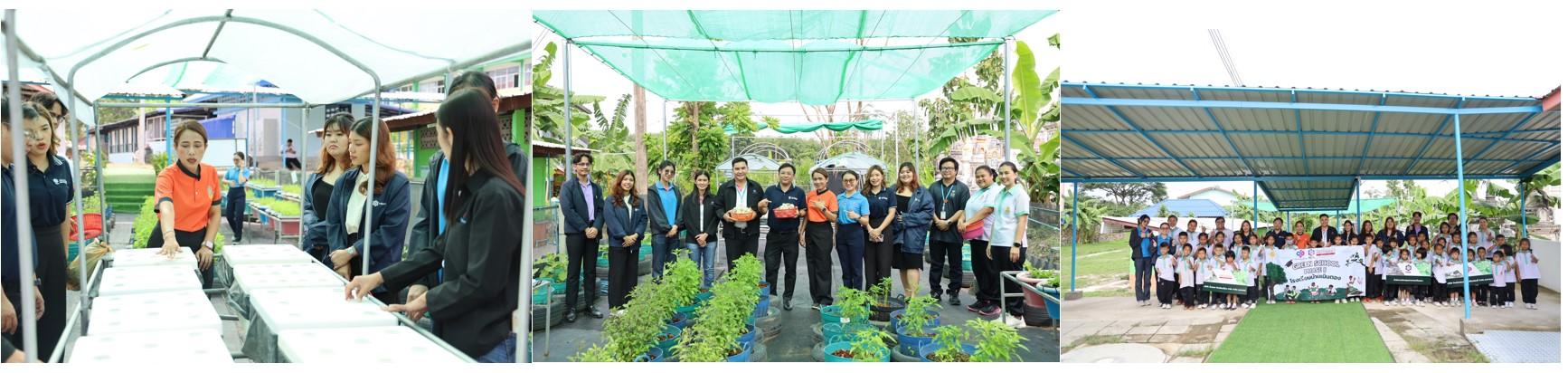
• Participated in a joint activity with CPRAM Company Limited under the “CPRAM Safety to School” program at Ban Khao Din School. The Company organized an educational session on energy conservation for students of Ban Khao Din School on Wednesday, 18 June 2025.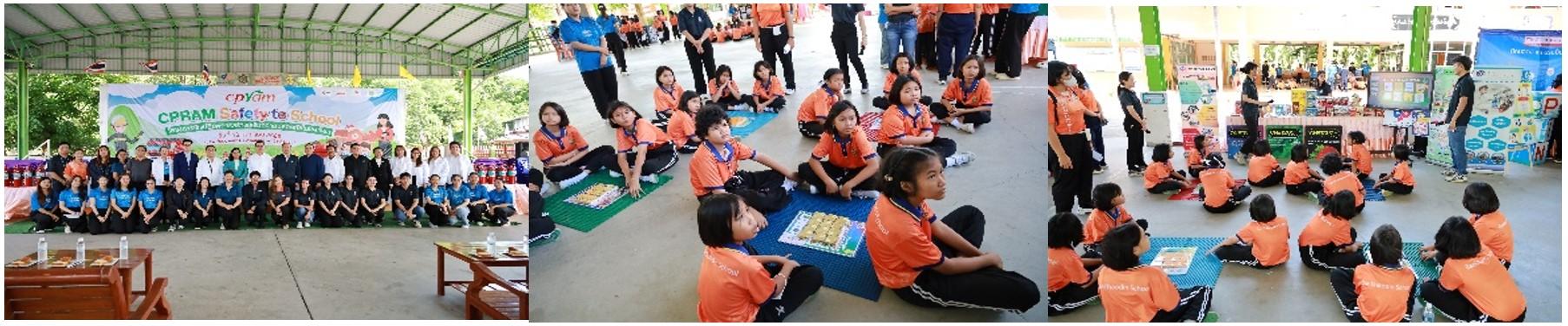
• Supported products and educational materials on prevention and proper condom usage provided by the Company for knowledge-sharing booths at the SHEE DAY event and the SGA Ex Awards 2025 activities, held on 3 December 2025.
Other Social Management
Plan & Outcomes — Description
-
Community satisfaction survey within a 10 km radius around Pinthong Industrial Estate. The company visited communities to extend New Year greetings for 2025 and conduct a community satisfaction survey, together with officers from Pinthong Industrial Park Public Company Limited, covering a total of 24 communities: Khao Din Community, Khao Tabaek Community, Nong Kho Community, Nong Kham Community, Khong Dara Community, Noen Tong Community, Noen Saensuk Community, Hin Kong Community, Nong Leng Community, Wang Kho Community, Nikhom Bowin Community, Nong Prue Community, Noen Phasuk Community, Bo Yang Community, Chukka Cher Community, Khao Noi Community, Nong Khla Kao Community, Nai Sak Community, Nong Yai Bu Community, Ban Rai Nueng Community, Nong Wa Community, Huai Saphan Community, Bueng Lang Community, and Talat Bueng Bon Community.
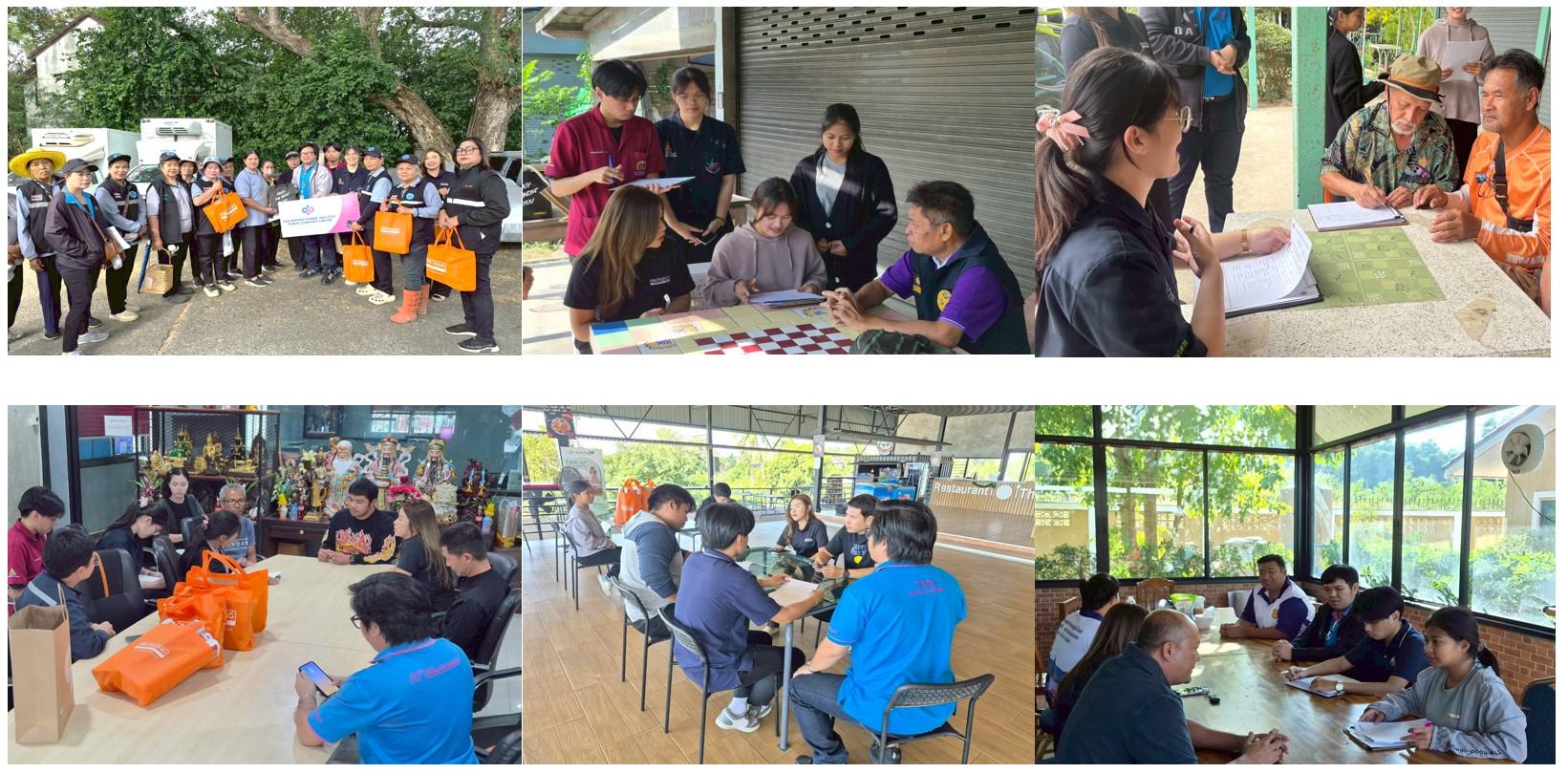
-
Thai Nippon Rubber Industry Public Company Limited, in collaboration with Pinthong Industrial Estate, Pinthong Industrial Park Public Company Limited, and Wat Khao Din School, organized a candle procession and offered Lenten candles on the occasion of Asalha Puja Day and Buddhist Lent at Wat Khao Din Wanaram on July 8, 2025.
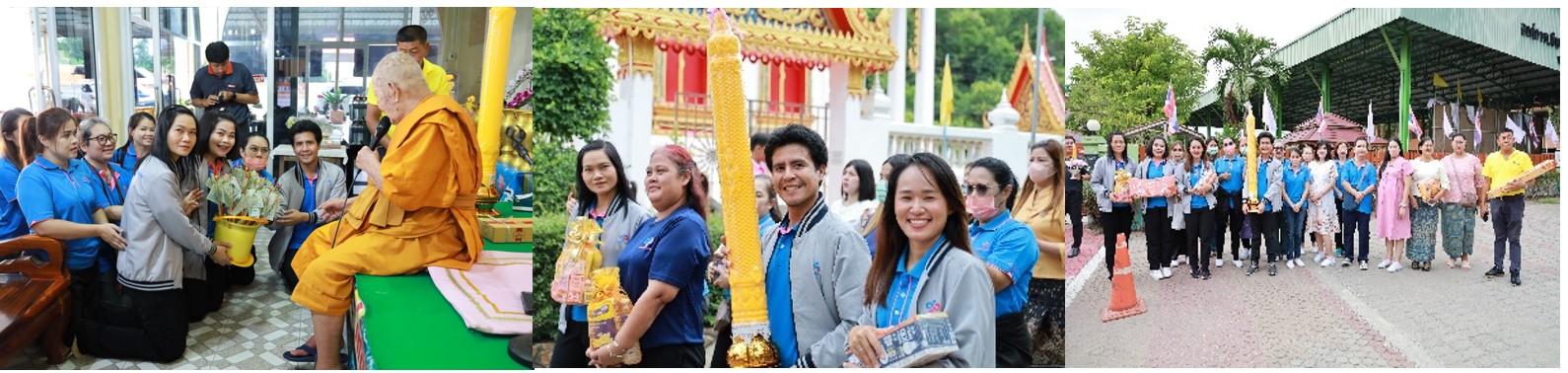
-
Thai Nippon Rubber Industry Public Company Limited, in collaboration with Pinthong Industrial Estate and Pinthong Industrial Park Public Company Limited, participated in the Kathina ceremony at Wat Khao Din Wanaram, Si Racha District, Chonburi Province, on October 27, 2025, to promote religion and culture.
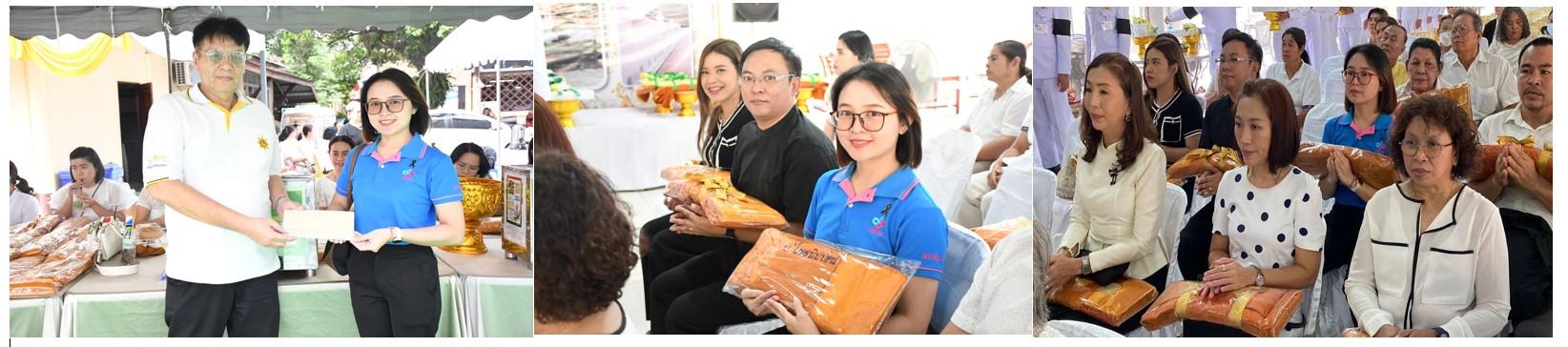
Forestry and Natural Resources: Activities promoting biodiversity were organized.
1. Participation in tree-planting activities.
-
The company participated in a tree-planting activity to honor Her Majesty Queen Sirikit The Queen Mother on the occasion of her birthday on August 12, 2025, under the project “Let’s Zero Together: Plant to (Reduce) Towards a Sustainable Future,” in collaboration with Khao Noi Community, Surasak Subdistrict, Si Racha District, Chonburi Province, on August 15, 2025.
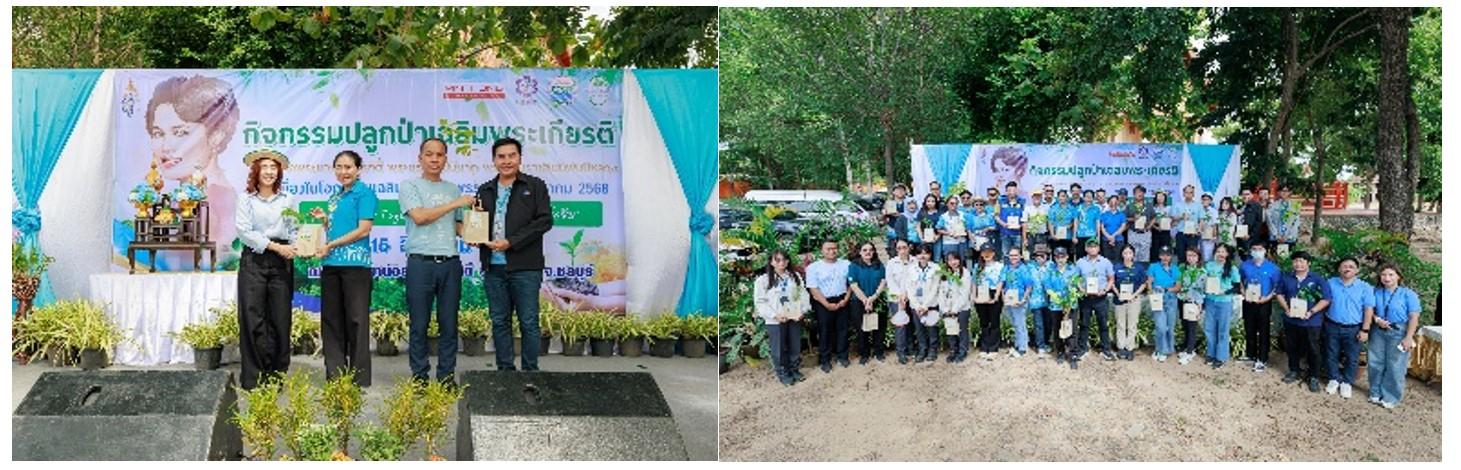
-
The company organized a mangrove sapling planting activity, totaling 500 trees, under the project "TNR Creates Forests, Reduces Carbon" for the year 2025, on Thursday, June 6, 2025. This initiative aims to support and contribute to achieving national goals, including Sustainable Development Goal 15: Protect, restore, and promote sustainable use of terrestrial ecosystems, sustainably manage forests, combat desertification, halt and reverse land degradation, and halt biodiversity loss. Employees participated in planting 500 mangrove saplings to foster environmental conservation awareness and help reduce greenhouse gas emissions contributing to global warming. Additionally, executives and business partners participated in releasing snapper fish back into nature and jointly collecting waste at Laem Chabang Beach.

-
Participation in environmental networks with various agencies.
Participated in a network member relationship-building activity and a study visit under the “Eco Green Network” project at the Map Ta Phut Industrial Estate Office (IEAT), Map Ta Phut Industrial Port Office, and the Community Enterprise for Promoting Stingless Bee Farmers in Ban Thap Ma, Rayong Province. This was to encourage members to develop and study guidelines for utility management / SMART Safety and Emergency, and the development of an eco-industrial town, on March 13-14, 2025.
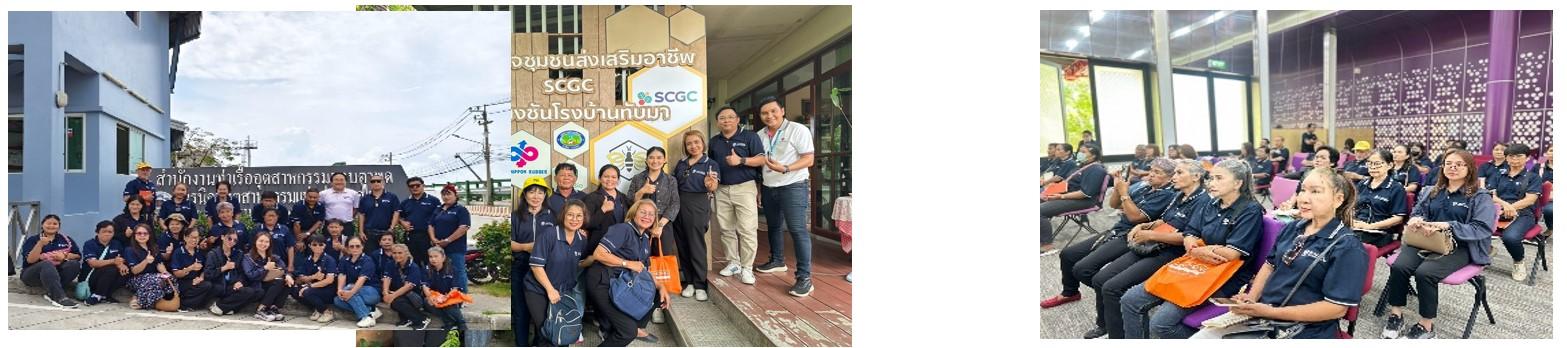
-
Attended the meeting of the Participation Cooperation Committee to provide consultation and feedback on the development and upgrading of Pinthong Industrial Estate towards an eco-industrial town, held at the Morino Hotel meeting room, Pinthong Industrial Estate, on March 28, 2025.
-
Attended the meeting of the Environmental Quality Monitoring Committee in Pinthong Industrial Estate (Project 14), 1st/2025, regarding the results for July-December 2024 (EIA Monitoring). The objective was to summarize compliance with environmental quality monitoring measures, prevent, rectify, and reduce environmental impacts of the Pinthong Group Industrial Estate. Representatives from the Provincial Industry Office, the Mayor of Chaophraya Surasak City Municipality, sub-district chiefs (Kamnan), village headmen (Phu Yai Ban), community leaders, and business operators attended the meeting to listen, offer suggestions, and express opinions at the Morino Hotel Si Racha meeting room on April 23, 2025.
-
Attended the meeting of the Participation Cooperation Committee to upgrade the Pinthong Group Industrial Estate to an Eco-Industrial Town (Eco Committee), 2nd/2025, on August 26, 2025.
Law Violation Incidents
Number of Incidents — Introduction
In 2025, the company received no complaints regarding the equality of benefits from stakeholders, and no incidents of human rights violations of any kind were found.
Law Violation Incidents
| Metric | Current Year | Previous Year | Two Years Ago |
|---|---|---|---|
| The total number of cases or incidents of significant violations of laws or regulations regarding social and human rights (Cases) | 0 | 0 | 0 |
| The total number of cases or incidents that cause significant labor disputes (Cases) | 0 | 0 | 0 |
| The total number of cases or complaints related to consumer rights violations (Cases) | |||
| The total number of cases or complaints related to partner rights violations (Cases) | |||
| The total number of cases or incidents that cause disputes with the community/society (Cases) | |||
| The total number of cases or incidents related to cyber security or customer data breaches (Cases) | |||
| The total number of cases or incidents related to safety and occupational health at work (Cases) |